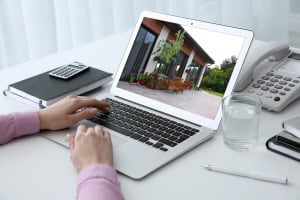
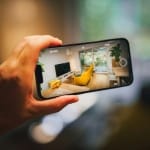
Selling a home has always been a numbers game; the more qualified buyers you reach, the faster and stronger your offers tend to be. Virtual tours change that equation in a meaningful way. A buyer who contacts you after walking a virtual tour isn’t casually clicking around. They’ve already studied the layout, walked the rooms, and decided they want a closer look. That’s a different kind of buyer than one who just liked the photos.
Whether you’re listing a townhouse in Miami, FL or a home in Denver, CO, adding a virtual tour to your listing is one of the most effective ways to attract serious buyers, generate stronger showings, and get to the closing table faster. Here’s how it works and why it matters.

1. They bring in more qualified buyers from the start
The biggest thing a virtual tour does for sellers isn’t visibility, it’s filtration. When buyers can walk a home digitally before scheduling a showing, the ones who make it to your front door have already decided the space could work for them. That shift in showing quality is something real estate media professionals notice consistently.
Ramon Corporan of Aerial Shots Media in Central Florida puts it plainly from both sides of the transaction. “Because buyers can rule a home in or out from their couch, the showings that do get booked come from people who already know the layout fits their life. That means less schedule disruption from strangers walking through for no reason, and more weight behind every appointment that lands on the calendar.”
Andrew Watts, co-owner of Real Tampa Bay, echoes this. “Virtual 3D tours give qualified buyers realistic access to the home on their own time, whether they’re local, out of town, or just busy. Being able to virtually stand in each room and walk through every living space helps buyers understand the flow and feel of the property before they ever schedule a showing. This means in-person visits are more likely to be with serious buyers who want a closer look.”
Gleb Osipov, Owner and 360-VR Specialist at 3DTour.ae, adds that the reach extends beyond local buyers as well. “Virtual tours attract more qualified leads, including international and out-of-town buyers, and also help reduce unnecessary viewings while keeping prospective buyers engaged for longer.”
2. They help buyers make decisions faster
One of the less obvious advantages of a virtual tour is how much further along in the decision process it moves buyers before a showing ever happens.
Daniel Molina, co-founder and COO of Immersive 360, describes this progression. “When buyers do come through the door, they’re usually more informed, more intentional, and further along in the decision-making process. For the seller, that can mean stronger engagement, better-qualified showings, and a smoother path from initial interest to an offer.”
Shari Carter, owner of Reel Media Utah, points to the compounding effect of pairing a tour with other marketing assets. “When combined with professional photography and floor plans, virtual tours create a more complete picture of the property and can help buyers determine earlier whether a home is the right fit. It brings more informed and interested buyers to the showing.”
That earlier decision-making matters because time on market is one of the biggest factors affecting sale price. The longer a home sits, the more likely sellers are to face price reductions or skeptical buyers wondering why it hasn’t sold. A tour that moves buyers to a confident showing faster helps protect against that erosion.
3. They work alongside your photos, not instead of them
A common misconception is that a virtual tour replaces great listing photography. It doesn’t, and understanding the distinction helps sellers get the most out of both.
Corporan with Aerial Shots Media draws the line clearly. “Photos are what stop the scroll and get a listing noticed. The 3D tour is what a serious buyer studies afterward, room by room, before deciding your home is worth a weekend visit. They do different jobs, and a listing is stronger when both are done well.”
4. They build trust with buyers before they arrive
In a market where AI-enhanced photos and selective angles are increasingly common, a well-produced virtual tour signals something different: transparency.
Jill Kyle, architectural and portrait photographer at Jill Kyle Photography, makes this point distinctly. “Virtual tours are one of the few marketing tools left that are 100% authentic; there’s little to no editing possible, so buyers see the space exactly as it is. In a world of AI-edited and strategically chosen photos, that honesty stands out and builds real trust with buyers before they ever walk through the door.”
That trust has a practical payoff. A buyer who walks into a showing already confident in what they saw online is far more likely to move quickly than one who arrives uncertain about whether the listing matched reality.
>> Read: Virtual House Tour Tips for Winning Over Buyers Through the Screen
5. They signal serious, intentional marketing
For sellers, a virtual tour also sends a message about how your home is being represented. Watts points to this directly saying, “It’s a clear signal that the seller’s agent is intentional about marketing the home at a high level and reaching the widest pool of motivated buyers.”
That perception matters in competitive markets where buyers are evaluating multiple listings simultaneously. A listing with a well-produced tour stands out not just because of the tool itself, but because of what it communicates about the care and effort behind the presentation.
Ready to list?
A virtual tour isn’t just a nice feature to add to your listing, it’s a strategic marketing decision that can shorten your time on market, reduce low-intent showings, and put your home in front of more serious buyers from day one. If you’re thinking about selling, find a local Redfin agent to talk through how to market your home to the widest possible pool of motivated buyers.