As U.S. housing costs hit an all-time high, more households are choosing homes that can comfortably accommodate multiple generations under one roof. Whether it’s aging parents moving in, adult children returning home, or grandparents helping care for grandchildren, today’s buyers are looking beyond the traditional floor plan.
Instead of simply needing more bedrooms, many are prioritizing homes that balance togetherness with independence. Flexible layouts, separate living areas, and features that support changing needs are becoming just as important as square footage. So whether you’re curious about buying a home in Newark, California or looking to relocate to Topeka, Kansas here’s what buyers are increasingly looking for in a multi-generational home.
Privacy is becoming just as important as shared space
Privacy can be just as important as shared space in a multigenerational home, making it even more important to find a home that fits your lifestyle. While spending time together is a major benefit of multi-generational living, everyone also needs a space where they can relax, work, or recharge.
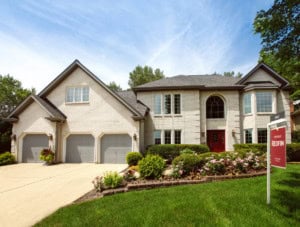
Features like dual primary suites, first floor bedrooms with full bathrooms, lofts, and separate living areas can help create a home that functions well for every generation.
“To enhance the ability to have multi-generational living, we ensure that the everyday buyer can enjoy features affordably,” says Char Kurihara, member of the Maryland Building Industry Association who oversees strategic market research at DRB Group. “Simple space planning such as having an ensuite bedroom and bathroom tucked away in another part of the home creates privacy. First floor bedrooms with full bathrooms, multiple living spaces like a loft, multiple access points to covered outdoor living, or even a pocket office under the stairs can provide quiet places for work, studying, or reading.”
Rather than relying on expensive additions, thoughtful layouts can make a home feel more comfortable for everyone who lives there.
Flexible layouts make it easier to adapt over time
Households rarely stay the same for long. Children grow up, parents age, and living arrangements can change unexpectedly. Flexible rooms may be especially useful for households whose needs are likely to change over time.
Rooms that can transition from a nursery to a home office, guest room, or caregiver suite offer long-term flexibility. Bonus rooms, finished basements, and spaces with multiple potential uses help homeowners avoid outgrowing a home too quickly.
Separate entrances and living spaces support independence
As more families choose to live together, buyers are increasingly looking for homes that allow everyone to maintain a sense of independence. Separate entrances, finished basement apartments, garage conversions, and accessory dwelling units (ADUs) can provide additional privacy while keeping loved ones nearby. Buyers should confirm that the space was properly permitted and complies with applicable zoning, building, safety, and occupancy requirements.
Even without a dedicated ADU, homes with split floor plans or semi-private living areas often appeal to buyers planning for multi-generational living.
>>Read: What are Granny Pods? Essential Guide to ADUs
Age in place features are influencing buying decisions
Accessibility is no longer something buyers think about only in retirement. Many households are planning ahead by looking for homes that can comfortably accommodate aging family members now or in the future.
Single level living, wider doorways, minimal stairs, walk-in showers, and bedrooms with nearby full bathrooms can help make a home more functional across different stages of life. Choosing a home with important features as you age may reduce the need for some modifications later.
>>Read: Home Improvements and Modifications for Aging in Place
Community matters just as much as the home
A home’s layout is only part of the equation. Buyers relocating to be closer to relatives should also consider whether the surrounding community supports each generation’s lifestyle.
Access to healthcare, transportation, recreation, and social opportunities can make a significant difference in long term satisfaction.
According to Sara Kellum, Marketing and Communications Manager at AgeWell Middle Tennessee, older adults considering a move closer to family should think beyond the home itself. She recommends evaluating the community, access to medical care and transportation, opportunities to stay socially engaged, and whether the home allows for independence through features like a private entrance, bedroom, or kitchen. While multi-generational living can be incredibly rewarding, she notes that planning for both connection and personal space helps create a more successful living arrangement.
>>Read: How to Decide Where to Live?
Finding the right balance for every generation
There isn’t a single floor plan that’s perfect for every household, but today’s buyers are increasingly looking for homes that offer flexibility, privacy, and long term functionality. As multi-generational living becomes more common, thoughtful home design can play an important role for buyers planning to accommodate multiple generations. .
Whether it’s a private suite for aging parents, adaptable living spaces, or a neighborhood that supports every stage of life, homes that balance shared experiences with individual independence are well positioned to meet the needs of modern households.
FAQs: Housing living preference changes for multiple generations
What is a multi-generational home?
A multigenerational home accommodates family members from more than one generation. Depending on the definition used, this may include grandparents, parents, and children living together, adult children living with parents, or grandparents living with grandchildren.
What features are important in a multi-generational home?
Many buyers prioritize dual primary suites, first floor bedrooms with full bathrooms, flexible living spaces, separate entrances, private outdoor areas, and age in place features.
Why are more people choosing multi-generational living?
Rising housing costs, competitive housing market, caregiving needs, childcare support, and the desire to spend more time with loved ones are all contributing to the growth of multi-generational households.
Are ADUs good for multi-generational living?
Yes. Accessory dwelling units (ADUs) can provide privacy and independence while allowing family members to remain close. They’re a popular option where local zoning allows them.