Bringing a dog into your life is a joyful decision, and ensuring your home is a comfortable and functional place for them is essential. Creating a dog-friendly home is an intentional design process that combines safety, easy maintenance, and dedicated space for your canine companion. The best approach involves strategically choosing materials, optimizing floor plans, and prioritizing security, allowing you to enjoy your dog without constantly worrying about wear and tear or potential hazards.
In this Redfin article, we have compiled a full list of priorities and expert advice to help you determine what to tackle first as you transform your home in Seattle, WA, or are considering a move to a new home in Lake Geneva. WI.
Prioritizing safety and security
A truly dog-friendly environment begins with a thorough safety assessment, especially if you are purchasing a new home. Dogs, particularly puppies, are curious and can be vulnerable to household hazards. By addressing potential dangers proactively, you protect your pet and preserve your property.
“Think of your furry baby as a human toddler,” recommends Seana, owner of Dashing Dawgs Grooming & Boutique. She suggests getting low to the ground to identify hazards like loose electrical cords and items that can be easily knocked over.
Milunova, a dedicated pet foster parent, notes that design should “set your pet up for success” by minimizing opportunities for destructive behavior. For instance, using a cable management box is safer and more aesthetically pleasing than a tangle of loose wires that a dog might chew. Here are some ways to minimize potential hazards:
- Secure all electrical cords and cables, ideally running them through conduits or behind furniture to prevent chewing.
- Use childproof locks on cabinets containing cleaning supplies, medications, or any toxic chemicals.
- Lawren Durocher Babek advises focusing on your pet’s comfort by providing quiet retreat areas where they can feel safe, particularly in busy households.
- Inspect windows and doors to ensure screens are sturdy and all latches function correctly.
Selecting durable and easy-to-clean materials
Living with dogs means accepting mess, but choosing the right materials minimizes the effort required for cleanup. The goal is to select finishes that are resilient to scratches, spills, and hair.
Flooring
If you’re considering a particular home, scratch-resistant flooring is a top priority for dog owners. Adam Milecki, writer for Urban Surfaces, advises prioritizing “waterproof surfaces with a protective wear layer so paw traffic and the occasional mess don’t become a maintenance headache.” He points out that some engineered products, like Bjelin Woodura Hardened Wood, can offer impact resistance and watertight seals for those who desire the look of real wood.
Milunova favors polished concrete for its ease of cleaning and maintenance, noting that material and surface are everything when it comes to pet ownership. Below are other expert-backed recommendations to consider:
- Luxury vinyl plank (LVP) and tile are excellent options as they are highly durable, waterproof, and simple to wipe down.
- Avoid softer wood floors, like pine, which scratch easily under paw traffic.
- Lawren Babek reminds owners that slippery tile and hardwood floors can be difficult for older dogs with arthritis, suggesting that strategic carpets or runners provide necessary traction.
- For extra peace of mind, Milecki recommends looking for styles with “Ceramic Bead Scratch Armor, which helps deflect everyday scratches from claws and everyday activity.”
Furniture and fabrics
Invest in furniture built with durable frames and performance fabrics. Certain materials resist odors, hair, and stains better than others.
Milunova recommends focusing on materials like leather or tightly woven fabrics for couches since they are easy to clean and won’t trap pet hair. Scott Avera from Animals Matter, Inc., describes the best approach to creating a “companion-friendly” environment as selecting durable, non-toxic materials and furnishings that support comfort and longevity. Avera states, “One of the most common mistakes is choosing low-quality, decorative pet products that lack proper support or durability.”
What to consider when looking at new furniture and fabrics:
- Woven materials like microfiber or canvas, which are dense enough to resist snags from claws.
- Textiles certified as safe, such as those that are CertiPUR-US® certified or OEKO-TEX® Standard 100 compliant, which helps create a safer environment.
- Dark or patterned slipcovers for main seating areas that can be easily removed and washed.
Walls and paint
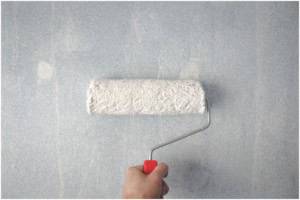
Pet owners should use satin or semi-gloss paint finishes, as these are much easier to clean than matte finishes. Look for paints labeled as washable or scrubbable to simplify the removal of mud or paw prints from walls.
Maintaining order and cleanliness
A consistent cleaning routine and smart organization can make a huge difference in managing pet odors and hair. Adam Milecki stresses the need to “build a simple routine: wipe paws at the door, clean spills immediately, and keep a dedicated station stocked with leashes, towels, grooming tools, and pet-safe cleaners.” This preparation allows you to respond fast to accidents and messes. Experts recommend a few simple habits and tools to help keep your space fresh and well-maintained:
- Milunova found that robot vacuums often struggled with the sheer volume of pet hair, suggesting that a stationary vacuum on the floor, paired with a silicone broom, can be a “game changer.”
- Seana advises pet owners to invest in a quality air purifier and maintain a regular lint roller habit because “odor and allergens accumulate faster than most pet owners expect.”
- Tony from The Healthy Pet House offers a critical tip for storing dry kibble: always keep the food in its original bag inside a plastic container. This prevents the kibble’s oils from soaking into the plastic, which can become rancid and contaminate fresh food when mixed.
Designating functional pet zones
Welcoming a dog seamlessly into your home involves establishing dedicated areas for their essential activities. Choosing a home with the right layout from the start can reduce the need for costly modifications later on. These designated zones help maintain order and provide the dog with a sense of security and routine.
When it comes to comfort, Scott Avera recommends “investing in orthopedic pet beds,” especially those made with premium, proprietary fill materials like Luxura-Fill®, which are designed to retain structure and resilience.
Lawren Babek emphasizes that dedicated spaces for each pet’s needs: beds, food, water, should be kept “out of high‑traffic areas.” This careful placement allows pets to eat, rest, and relieve themselves without stress. Here are a few expert-backed ways to set up these spaces:
- Feeding stations: Locate food and water bowls in a low-traffic area, such as a mudroom or an isolated kitchen corner, using mats with raised edges to contain spills.
- Sleeping and retreat areas: Utilize furniture that pulls “double duty,” a practice Seana advises, such as a crate that doubles as a nightstand or a bench that features a hidden feeding station.
- Organization: An entryway hook system is an effective way to keep leashes and poop bags organized and out of sight.
Maximizing the outdoor space
For dog owners, the yard is an extension of the living space and must be secure and non-toxic. A safe outdoor environment is vital for exercise and bathroom breaks. As Lawren Babek states, “a secure backyard with a sturdy fence gives dogs a safe space to exercise and explore.”
- Fencing: The fence must be high enough to prevent jumping and secure at the base to prevent digging or crawling underneath. Regularly check the entire perimeter for weak spots.
- Landscaping: Avoid planting any plants that are known to be toxic to dogs, such as sago palms, azaleas, or lilies. Opt for durable, pet-safe ground covers like clover or hardscaping materials.
- Traction: Milecki suggests placing traction-friendly mats near exterior doors and stairs, noting that keeping your dog’s nails trimmed also helps minimize slipping and floor scuffs.
Creating a dog-friendly home
Creating a dog-friendly home is ultimately about thoughtful preparation and material selection. By focusing on durability, safety, and establishing clear zones, you create a harmonious living environment that supports both your human and canine family members. This proactive approach ensures a lasting, enjoyable experience in your home.
Frequently asked questions
What is the best type of flooring for a home with dogs?
The best options are materials resistant to scratches and water, such as porcelain or ceramic tile, and luxury vinyl plank (LVP). These materials are easy to clean and highly durable against pet traffic.
How can I protect my furniture from pet hair and damage?
Use performance fabrics like microfiber or canvas, which are tightly woven and simple to clean. Using washable slipcovers is also a practical way to protect expensive upholstery and reduce wear.
Are all houseplants safe for dogs?
No, many common houseplants are toxic to dogs, including tulips, daffodils, and several types of lilies. Always research a plant’s toxicity before bringing it into your home to ensure the safety of your pet.
What paint finish is easiest to clean in a house with pets?
Satin and semi-gloss paint finishes are recommended because they are non-porous and can withstand washing or scrubbing to remove dirt, mud, and paw prints without damaging the paint.