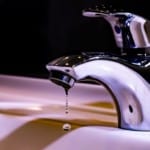
A dripping faucet at midnight. An AC that gives out in July. A dishwasher that’s been making a very concerning sound for two weeks. If you’re renting, knowing who’s responsible for what and how to get it fixed can save you a lot of stress, money, and back-and-forth with your landlord.
Whether you’re renting an apartment in Seattle, WA or apartment hunting in Chicago, IL, the basics of apartment maintenance work similarly. Landlords are responsible for keeping the unit safe and habitable, and tenants are responsible for keeping it clean and undamaged. The tricky part is everything in between.
What is apartment maintenance?
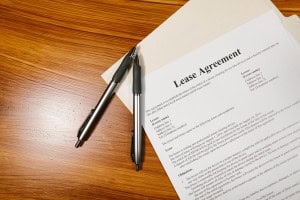
Apartment maintenance covers the repairs and upkeep that keep a rental unit and the building around it safe, functional, and livable. Most apartment buildings have a dedicated maintenance team or on-call contractors who handle repairs when tenants submit a request. The division of responsibility is typically spelled out in your lease agreement and shaped by landlord-tenant laws in your state – so when in doubt, your lease is the first place to look.
What does apartment maintenance cover?
The general rule is that landlords own the building’s core systems and anything that came with the unit when you moved in. As Miles Lerner, CEO of Shuk Rentals, explains, “Plumbing, heating and cooling, electrical, and major appliances fall to the landlord along with repairing normal wear and tear.” Here’s what that typically looks like in practice:
HVAC (heating and cooling)
Landlords are generally required by law to maintain a working heating system. Air conditioning is a bit less universal, but if AC came with your unit, your landlord is on the hook to keep it running. Any window unit or portable AC you buy yourself is your responsibility.
Plumbing
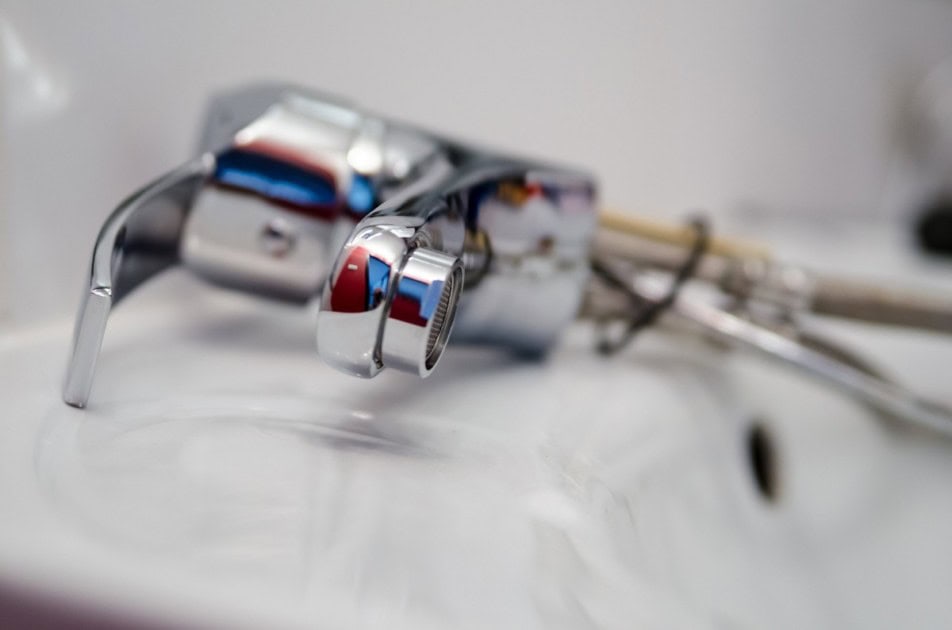
Leaky faucets, running toilets, broken shower heads, and pipes that leak behind walls are all the landlord’s domain. If you notice a plumbing issue, report it promptly.
Electrical
Non-emergency electrical problems (broken outlets, malfunctioning switches, or a ceiling fan that stopped working for example) are handled by maintenance. Most landlords won’t ask tenants to do more than swap out a light bulb.
Built-in appliances
If it was in the unit when you moved in, your landlord is responsible for maintaining it. That typically includes the refrigerator, oven and stove, dishwasher, microwave, garbage disposal, and in-unit washer and dryer.
Locks, doors, and windows
Most states require working locks on all exterior doors, and maintenance usually covers interior issues too. Broken window glass and doors that don’t latch or close properly are generally the landlord’s call, unless you or a guest caused the damage.
Pest control
A significant pest infestation like mice, rats, or cockroaches is typically the landlord’s legal responsibility to address. A stray ant or two is a different conversation, so check your lease for specific examples.
Safety equipment
Smoke detectors, carbon monoxide detectors, fire extinguishers, and sprinkler systems are the landlord’s responsibility to install, maintain, and test. If a detector starts chirping, let your landlord know – it usually just needs a battery, but it’s their job to confirm.
Common areas and landscaping
Shared spaces like hallways, gyms, laundry rooms, and the grounds outside, fall to building management. That includes lawn care, snow removal, and trimming trees that could be a safety hazard.
What apartment maintenance doesn’t cover
This is where a lot of tenants can get caught off guard. Suzanne Comer, association executive at the Lubbock Apartment Association, points to one misconception she sees repeatedly. “A lot of people assume landlords are on the hook for cosmetic wear like scuffed walls or worn carpet from normal living – but that’s typically considered ordinary wear and tear, not tenant damage.” In other words, normal aging of a unit isn’t something you can put in a maintenance request for.
As a renter, you’re generally responsible for:
- Day-to-day upkeep: keeping the unit reasonably clean and handling small tasks like replacing air filters and light bulbs
- Damage caused by you or your guests: broken fixtures, holes in walls, or carpet stains from a spill
- Cosmetic preferences: if you want a different paint color, that’s a negotiation with your landlord, not a maintenance request
- Appliances you purchased: window AC units, portable dishwashers, or any personal appliance you brought in are yours to fix or replace
When the line gets blurry: Unreported problems
One of the most important and most overlooked tenant habits is reporting problems as soon as you notice them. Lerner is direct about why it matters. “A small leak left unreported can become the tenant’s responsibility once it causes damage that could have been avoided.”
If you knew about a leak, said nothing, and it eventually warped your floorboards or caused mold, that resulting damage may land on you rather than your landlord.
Always report issues in writing through your building’s online portal or by email so there’s a clear record. Comer reinforces the upside of getting this right from both sides. “When both sides know who owns what from the start, repairs get resolved faster and most disputes never happen in the first place.”
What counts as emergency maintenance?
Some issues can’t wait for a next-business-day callback. Emergency maintenance is anything that makes your unit unsafe or genuinely uninhabitable. If any of the following happen, contact your landlord or property manager right away, and call 911 if there’s an immediate safety threat:
- Fire, suspected gas leak, or carbon monoxide detector alert
- Severe pipe burst or flooding
- Complete loss of heat in freezing temperatures
- Broken exterior lock on a door or window
- Standing water or signs of significant mold
Many buildings have a 24/7 emergency maintenance line. Save that number in your phone before you ever need it.

>> Read: How to Help Prevent Fires at Home
How to submit a maintenance request
Most apartment communities today offer an online portal for submitting and tracking repair requests. If yours doesn’t, email is your next best option. It’s always preferable to a text or phone call alone because it creates a written record you can reference later.
When you submit a request, be specific. Describe what’s wrong, where it is, when you first noticed it, and whether it’s gotten worse. A clear request gets a faster response, and documents that you flagged the problem in a timely way.
Ready to find your next apartment?
Understanding apartment maintenance before you sign a lease, not after something breaks, puts you in a much stronger position as a renter. Browse apartments for rent on Redfin to find your next place, and use our first-time renter’s guide to navigate the process from search to move-in.