Closing day feels like the finish line, but the keys come with a to-do list nobody hands you. Where do you start when the water heater, the roof, and the smoke alarms all seem equally important?
Whether you’re settling into a bungalow in Chicago, IL, getting an air conditioner ready for another summer in Phoenix, AZ, or checking drainage around a house in Seattle, WA, a clear plan keeps maintenance from piling up. Having a post-closing home maintenance roadmap breaks the work into stages, so you handle safety and major systems first and save cosmetic updates for later.
This guide covers what to do in your first week, your first few months, and your first year, plus a few ways to plan for the cost.
Treat your inspection report as your first to-do list
Many buyers file the home inspection report away once negotiations wrap up. Andrew Redding, of the The Redding Group suggests keeping it close:
“I tell buyers that the home inspection report is not just a negotiation tool, it becomes their first home maintenance to-do list after closing. Start with safety concerns and the major systems that protect the home, including plumbing, HVAC, electrical, roofing, and drainage, then work through smaller maintenance items and cosmetic updates over time. Keeping the report handy and revisiting it every six months turns an overwhelming list into a manageable roadmap and helps prevent minor issues from becoming costly repairs.”
In practice, that means pulling out the home inspection report during your first week and sorting each finding into three groups: safety, major systems, and everything else. Note any repairs the seller completed so you can confirm that work once you’ve moved in. If the report recommends a specialist, such as a licensed plumber, electrician, or roofer, get an estimate instead of guessing at the scope.
Week one: handle the safety basics
During your first week in a new home, prioritize immediate safety and essential operational tasks before diving into long-term projects or aesthetic upgrades. Tackling these foundational items right away protects both your household and your investment from unexpected emergencies.
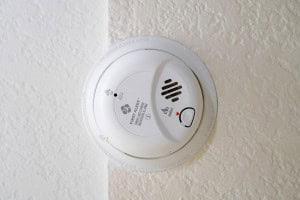
- Test your alarms. Smoke alarms should be tested monthly and replaced at least every 10 years, counted from the manufacture date rather than the purchase or installation date. Most units have a test button, and learning how to test smoke detectors properly takes only a few minutes. Follow the manufacturer’s instructions for carbon monoxide alarms.
- Find your shutoffs. Locate the main water shutoff valve, the electrical panel, and the gas shutoff if your home has one. Label them so anyone in the household can find them quickly.
- Run the water. Turn on faucets and check the pipes under sinks for drips or dampness.
- Gather your paperwork. Keep the inspection report, appliance manuals, warranty documents, and service records in one folder, paper or digital.
The first three months: focus on major systems
Plumbing, HVAC, electrical, roofing, and drainage protect the home from its biggest and costliest problems. Your inspection report should show which ones need attention soonest.
- Plumbing: Check the age of the water heater, which is usually listed on its label. If the report noted it was near the end of its expected life, you can plan for a replacement instead of being surprised by one.
- HVAC: Ask the seller for service records. If there are none, or the report flagged the system, consider having a licensed HVAC professional service it before peak heating or cooling season. Replace filters according to the manufacturer’s guidance.
- Electrical: Leave anything flagged in the report, such as the panel, outdoor wiring, or an outlet or switch that crackles, to a licensed electrician.
- Roofing: Look at the roof from the ground for missing, loose, or damaged shingles, especially after a storm. If the report flagged the roof, schedule a professional roof inspection instead of climbing up yourself.
- Drainage: Make sure gutters are clear, downspouts carry water away from the foundation, and the ground near the house slopes away from it. Water that collects near a foundation can lead to bigger problems over time.
Months three to twelve: build a seasonal routine
Once the urgent items are handled, spreading smaller tasks across the year keeps them from stacking up. A seasonal home maintenance checklist is one way to organize that work by spring, summer, fall, and winter.
Your routine will depend on where you live, but it often includes:
- Clearing gutters and downspouts in spring and fall
- Checking caulk and weather stripping around windows and doors
- Draining outdoor hoses before freezing temperatures, if your area gets them
- Scheduling cooling and heating system service before each season
Smaller repairs and cosmetic updates, like repainting, refinishing floors, or replacing fixtures, can follow once the safety items and major systems are in good shape. Putting them later in the roadmap is not neglect. It keeps your time and money pointed at the work that matters most.
Plan for the cost of upkeep
Maintenance costs vary widely with a home’s age, condition, and location, so no single number fits every household. Many homeowners find it easier to budget for home maintenance before a repair arrives than after. The inspection report can help here too. A water heater or roof near the end of its expected life tells you where future expenses are likely to land.
Some homeowners also consider a home warranty, which may cover repair or replacement of certain systems and appliances after normal wear and tear. Plans differ, so it helps to understand what a home warranty covers and what it leaves out. Most warranties won’t pay for problems caused by a lack of maintenance, so read the contract closely before relying on one.
Revisit your roadmap every six months
The roadmap works best when it stays current. Set a calendar reminder every six months to reopen the inspection report, cross off what you’ve finished, and add anything new. Keep receipts and notes on completed work in your home folder. That record helps with future repairs and can be useful when you eventually sell your house.
Keep your roadmap moving
A post-closing home maintenance roadmap doesn’t need to be complicated. Start with safety, move to the major systems, work through smaller items over time, and return to your list twice a year.
Still searching for your next home, or know someone who is? Explore homes for sale on Redfin or connect with a Redfin real estate agent who can help you review inspection findings before you buy.
FAQs about post-closing home maintenance roadmaps
1. What should I do first after closing on a house?
Focus on safety and organization: test smoke and carbon monoxide alarms, locate utility shutoffs, and gather paperwork. Then categorize your inspection report by safety issues, major systems, and cosmetic repairs.
2. How often should I test my smoke alarms?
Test smoke alarms monthly and replace them every 10 years based on their manufacture date. Follow manufacturer instructions for carbon monoxide alarms.
3. Which parts of the home should I prioritize?
Plumbing, HVAC, electrical, roofing, and drainage protect your home, so they generally come before cosmetic updates. Check your inspection report for urgent issues, and consult a licensed professional to determine the scope and cost of any flagged concerns.
4. How often should I revisit my home inspection report?
Every six months is a practical rhythm. Set a calendar reminder, and at each check-in cross off completed items, note any new concerns, and file receipts or service records with the report.
5. Does a home warranty replace regular maintenance?
No. Home warranties cover wear-and-tear repairs for specific systems and appliances, but coverage varies. Because warranties typically exclude damage from poor maintenance, reading your contract and performing regular upkeep remains essential.