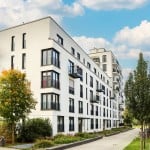
Harry Styles is no stranger to the New York City spotlight. Beyond his music career, the singer has also made headlines for his real estate, including his luxury loft in Tribeca, one of Manhattan’s most desirable downtown neighborhoods.
Known for its historic architecture, spacious lofts, and quiet, residential feel, Tribeca has become a favorite among celebrities and high-end buyers alike. But what does it actually cost to live in a neighborhood like this? In this Redfin guide, we’ll break down the costs of buying a home in Tribeca, from home prices and mortgage payments to property taxes, insurance, and other expenses to consider.
The following estimates illustrate what it could cost to purchase and maintain an $8.7M condo in the Tribeca, NYC area. They are not estimates of Styles’ actual mortgage or household expenses.
Key takeaways
– Median luxury home price: ~$8M–$10M+
– Estimated mortgage (20% down, ~6–7% interest): ~$40,000–$70,000+/month
– Property taxes + common charges: ~$10,000–$12,000+/month for a luxury condo
– Insurance: Several thousand dollars per year, depending on coverage, property value, and personal belongings
– Down payment expectations:
20%: ~$1.74M
30%: ~$2.61M
40%: ~$3.48M
– Luxury renovation costs: ~$450–$650+/sq. ft. for high-end loft renovations, depending on scope and finishes
– Median rent in Tribeca: ~$6,000/month (luxury rentals can reach well into five figures)
– Estimated monthly ownership costs for an $8.71M home: ~$57,000–$65,000+/month, including mortgage, property taxes, common charges, insurance, and ongoing expenses
Bottom line: Tribeca real estate comes with a serious price tag, but buyers are paying for more than square footage. Limited inventory, historic architecture, luxury amenities, privacy, and one of Manhattan’s most desirable downtown locations all contribute to the neighborhood’s premium.
What it takes to buy a home in Tribeca
If you’re curious what it would cost to live like Harry Styles in Tribeca, his $8.71 million loft gives us a pretty good place to start. Tribeca is one of Manhattan’s most sought-after neighborhoods, where buyers are paying not just for beautiful lofts and prime downtown living, but also for the privacy and amenities that come with many of its luxury buildings.
“Buying an $8 million condo in Tribeca is one thing; carrying it is another,” states Jules Borbely, COO at FIND Real Estate. “In a building like Styles’, buyers need to account for property taxes and common charges that can add up to well into six figures annually, before you even consider financing, insurance, utilities, or maintaining a home of this size. At this end of the market, buyers generally understand they’re not just paying for square footage, they’re paying for privacy, service, amenities, and the convenience that comes with a building of this caliber.”
For someone eyeing a home like Harry Styles’ loft, those expenses can easily add hundreds of thousands of dollars to the cost of calling Tribeca home each year.
Mortgage
For a luxury home in Tribeca, monthly mortgage payments can easily reach $40,000 to $50,000+ depending on the home price, interest rate, and down payment.
“At today’s jumbo rate, an $8.71 million loft with 20% down runs about $45,000 a month in debt service,” shares Andrew Borchini, co-founder of BRN Partners. “On the conventional 28% housing ratio, that implies household income north of $2M. But that math is largely theoretical in this neighborhood: nearly 90% of Manhattan purchases above $3M closed all cash last year. The real qualifying test in Tribeca isn’t income, it’s liquidity.”
Taxes
Buying a luxury home in Tribeca comes with some hefty costs before you even start thinking about the monthly mortgage. For an $8.71 million home like Harry Styles’ loft, buyers could face hundreds of thousands of dollars in one-time taxes and closing costs, followed by thousands more each month in property taxes and common charges.
“On an $8.7 million condo, the mansion tax alone is approx $196,000,” shares Gea Elika, director of NAEBA. “In a new development, where the sponsor may pass city and state transfer taxes onto the buyer, those can add roughly another $180,000. Add mortgage recording tax if financing, title insurance, attorney fees, building charges, and one-time closing costs, it can easily exceed half a million dollars. Then comes the carry: a roughly 3,000 square foot luxury condo can cost around $10,000 to $12,000 a month in common charges and property taxes before factoring in any mortgage.”
Insurance
Insurance is another expense to keep in mind when buying a condo in Tribeca. For an $8.7 million home, homeowners insurance could cost several thousand dollars per year, depending on the amount of coverage, the building’s insurance requirements, the value of the unit’s interior and belongings, and the buyer’s individual policy.
Unique considerations for Tribeca homes
Living in Tribeca comes with more than just a multimillion-dollar price tag. From landmarked buildings and limited inventory to the costs of maintaining a luxury condo in one of Manhattan’s most desirable neighborhoods, buyers should expect a few expenses and considerations that come with the territory.
“What people miss about Tribeca is that you’re not just buying square footage, you’re actually buying into one of the most supply-constrained luxury markets in America,” says Kobi Lahav. “The neighborhood is heavily landmarked, so buildings, like Styles’ loft with its cast-iron pedigree and celebrity-grade privacy, simply can’t be replicated. Owners here aren’t just paying for an apartment; they’re paying for something Manhattan will never build again.”
- Landmarked buildings: Much of Tribeca is protected by landmark regulations, which can limit what owners can change on a property and make certain renovations more complicated and expensive.
- Limited inventory: Tribeca has a finite supply of historic buildings and luxury residences, which helps keep demand and prices high. Buyers are often paying a premium for a home they simply can’t find anywhere else.
- Luxury building amenities: Full-service buildings can come with doormen, concierge services, fitness centers, pools, parking, and other perks – but those amenities can also mean higher monthly common charges.
- Renovation costs: Updating a historic or landmark-sensitive property can be considerably more involved than renovating a typical condo, with high-end projects potentially costing hundreds of dollars per square foot.
- Privacy and security: Tribeca’s quiet streets and luxury buildings are part of its appeal, particularly for high-profile residents. Privacy features, controlled building access, and security services can all add to the cost of living.
- Everyday luxury costs: From property taxes and common charges to maintaining custom interiors and high-end finishes, the expenses of owning a Tribeca home can continue well beyond the purchase price.
“In Tribeca, it’s all about the cobblestone. Those iconic streets are a defining part of the neighborhood’s character – and part of the premium that buyers pay to live here,” shares Philip Hordijk, CEO and founder of LEVEN Real Estate. “For many, that premium extends beyond the home itself to the experience of living among historic architecture while also enjoying the level of privacy offered by buildings like Styles’, where hidden porte-cochère entrances allow residents to come and go with added discretion.”
Down payment expectations
In Tribeca’s luxury market, down payment expectations are significantly higher than in most U.S. housing markets. Because luxury condos can easily reach several million dollars, buyers are often working with jumbo financing – or making all-cash offers – which means substantial upfront cash requirements.
Here’s what different down payment scenarios could look like:
- 20% down: ~$1.74 million
- 30% down: ~$2.61 million
- 40% down: ~$3.48 million
Home styles commonly seen in Tribeca
Tribeca’s architecture is a little different from what you might picture when you hear “luxury neighborhood.” Instead of sprawling estates, the neighborhood is known for historic cast-iron buildings, converted warehouses, and loft-style residences that blend old New York character with modern luxury. Across styles, the common thread is a mix of industrial details, generous proportions, and plenty of personality – with many homes offering the kind of space and privacy that’s hard to come by in Manhattan.
“Tribeca has quietly become the most in-demand few blocks in Manhattan for people who could live anywhere in the world,” adorns Jonathan Nørmølle, founder of NextGen Keller Williams NYC. “The buyers we represent – founders, entertainers, athletes – aren’t chasing views. They’re chasing privacy: cobblestones, gated entries, and buildings engineered around it. That premium is real, and it shows up in the monthlies more than the sticker price. The people paying it treat it as the cost of being left alone, and I’ve yet to see one regret it.”
Throughout Tribeca, you’ll commonly find:
- Cast-iron lofts: Historic buildings with ornate cast-iron facades, oversized windows, high ceilings, and open floor plans that showcase Tribeca’s industrial roots.
- Warehouse conversions: Former warehouses and industrial buildings transformed into spacious luxury residences, often preserving exposed brick, beams, columns, and other original details.
- Contemporary luxury condos: Modern residences with sleek finishes, floor-to-ceiling windows, open layouts, and high-end amenities designed for upscale city living.
- Historic townhouses: Elegant brick and masonry townhouses that offer a more traditional residential feel, often with multiple floors and distinctive 19th-century architectural details.
- Full-service loft residences: Large-scale lofts in converted historic buildings that combine prewar character with modern conveniences like doormen, concierge service, fitness centers, and private amenities.
What it costs to design a loft-style home
Even after spending millions on a Tribeca home, you may not be done spending. Many luxury apartments still need some updating to make the space feel completely your own, whether that means refreshing the kitchen, reworking the bathrooms, adding custom millwork, or taking on a larger renovation.
“What can occasionally come as a surprise, even at these price points, is that many apartments still need some level of renovation or updating,” Adam Sadel at The Golan Team, suggests. “When you factor that in along with common charges, taxes, and ongoing maintenance, the true cost of ownership can be quite a bit more than just the purchase price, which is why we always make sure our buyers are looking at the full picture before making a decision.”
For a Tribeca loft, renovation costs can vary widely depending on the scope and finishes. A high-end loft renovation can run roughly $450 to $650+ per square foot, meaning a 2,500-square-foot space could cost around $1.1 million to over $1.6 million for a major luxury renovation.
Renting vs. buying in this area
For those who want to experience life in Tribeca without committing to a multimillion-dollar purchase, renting can offer a more flexible option – though luxury rentals in the neighborhood can still come with a serious price tag.
- Median rent in Tribeca: ~$6,000/month
While renting is significantly less expensive month to month than buying an $8.71 million home, availability can be limited, particularly for larger luxury apartments. Rents also vary widely depending on the size of the home, building, amenities, and location, with high-end Tribeca rentals reaching well into five figures per month.
- Estimated mortgage: ~$45,000/month (assuming 20% down and current jumbo mortgage rates)
For buyers who plan to stay in New York long term and can handle the substantial upfront costs, purchasing can offer the opportunity to build equity while owning a home in one of Manhattan’s most desirable neighborhoods.
Home value trends over time
Tribeca’s luxury market has shown strong long-term appreciation, driven by limited inventory, high demand from affluent buyers, and the neighborhood’s unique mix of historic architecture and upscale city living.
- According to Redfin data, Tribeca home values have generally remained among the highest in Manhattan, with luxury properties commanding a significant premium. While prices can fluctuate with broader Manhattan market conditions, the neighborhood’s limited supply and continued demand for spacious lofts and full-service residences help support long-term value.
What it really costs to live in Harry Styles’ neighborhood
Ultimately, living in Tribeca comes with more than a multimillion-dollar price tag – you’re also paying for the historic character, limited inventory, privacy, and convenience that make this downtown Manhattan neighborhood so desirable.
Between mortgage, insurance, taxes, and other costs that come with owning a luxury condo, total monthly ownership costs can realistically reach $55,000 to $65,000+ per month, before accounting for one-time closing costs or major renovations.