Key takeaways:
- In real estate, an easement is a legal right that allows someone to use part of another person’s property for a specific purpose.
- An easement grants use, not ownership. The property owner still owns the land, but another party has limited rights to use it.
- There are several types of easement agreements that can affect property owners differently.
- Some easements last indefinitely (often tied to the land), while others end when the need or agreement ends.
When you’ve found the perfect house, you may be surprised that you have to work around a property easement. You’ll want to include learning about any easements among your steps to buying a house because the rights granted by an easement could affect your privacy and future plans for the property.

What is an easement around a property?
An easement is a legal right to use another person’s property for a specific purpose, even though the property remains in the owner’s possession. Easements are commonly attached to the deed of a property and can affect how the land is used.
Easements allow limited rights to use your land for purposes like shared driveways, utility company access to cables and piping, or reaching nearby land. In some cases, an easement can be unfavorable, such as when it allows someone to cross your property to reach theirs. Here’s a rundown of the most common types of easements used in real estate today.
Common types of easements
Different easements have consequences and required actions based on the terms of each easement. Here is a list of the most common easements that can affect you as a property owner.
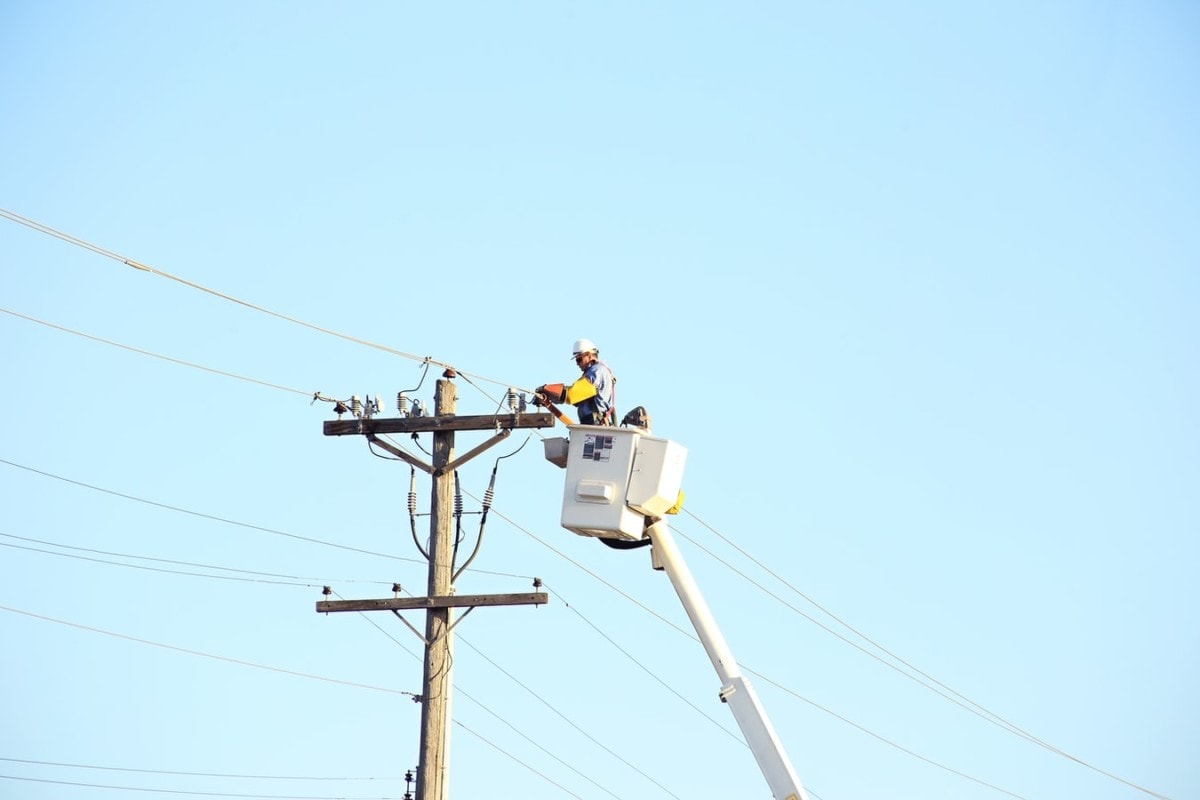
- Utility easement: Allows utility companies to access your land for necessary infrastructure, with limited use and restrictions like avoiding interference with lines.
- Public easement: Grants the public access to parts of your land, such as sidewalks, without transferring ownership.
- Easement appurtenant: Tied to the property itself, this easement stays in place through ownership changes and benefits a neighboring property.
- Easement in gross: Given to a person or entity (not land), it can’t be transferred without consent and often ends when the holder dies or sells.
- Implied easement: Unwritten but legally recognized due to long-term, consistent use with mutual understanding between parties.
- Prescriptive easement: Created through continuous, open, and unchallenged use of someone’s land over time.
- Easement by necessity: Granted when access through another’s land is absolutely required, often in landlocked property situations.
Should I avoid buying a home with an easement?
In most cases, there is no reason to avoid buying because of an easement. However, homebuyers should check for easements before purchasing. A real estate attorney or title company can help by conducting a search.
To find property easements yourself, check county land records, utility companies, and request a property survey. You can also ask the owner for a warranty deed, which confirms legal ownership and lists any easements.
If a property has an easement, find out if it’s the dominant or servient property before making an offer. Dominant owners can use the easement as needed; servient owners must allow access.
FAQ:
What is the disadvantage of an easement?
An easement can limit how you use your property, such as preventing construction or landscaping in certain areas. It may also reduce property value or create privacy concerns if others have access rights.
What is the most common easement?
Utility easements are the most common. They allow service providers to install and maintain power lines, water pipes, or cables. These are typically permanent and affect nearly all residential properties.
What is an easement on land?
An easement on land is a legal right that allows someone else to use a portion of your property for a specific purpose. It does not transfer ownership but can impact how the land is used.
Can a property owner block an easement?
Certain types of easements, such as prescriptive easements, are easier to challenge than others, such as utility easements. Utility or public easements generally cannot be blocked without risking legal consequences. Blocking a property easement may lead to lawsuits or court orders to restore access.
Redfin does not provide legal advice. This article is for informational purposes only, and is not a substitute for professional advice from a licensed attorney.
Title Forward is an affiliate of Redfin. You are not required to use their services. See our Affiliated Business Disclosure.