Whether you’re planning to sell your home or just want to protect your biggest investment, it’s important to know what can bring down property value.
Some factors that affect your home’s value are beyond your control, such as market conditions, interest rates, and the economy. Others, like neglected maintenance or poorly done renovations, can directly reduce your property’s worth.
While you can’t change everything, small improvements now can make a big difference later. Here are eight factors that could be hurting your property value—some you can fix, others to keep on your radar.
Table of contents
1. Neglected maintenance
If your home needs a lot of work, buyers will notice—and they’ll factor that into what they’re willing to pay. Things like a dated HVAC system, worn-out roof, or even small repairs that have piled up can make your home feel neglected. Some buyers include an inspection contingency and will likely try to negotiate repairs to avoid major expenses after closing.
Tip: Stay on top of regular maintenance like servicing your furnace, checking the roof, and sealing the driveway. If something breaks, fix it promptly—or hire a pro. Waiting often makes repairs more expensive and can hurt your home’s value over time.
2. Outdated or overly personal design choices
Buyers aren’t looking for the latest trends, but homes that look stuck in the past can feel like a project and bring down your property value. That bright red accent wall you loved back in 2008? It’s probably time to say goodbye—because if it stays, it could be hurting your sale.
What to do: Revamp your home decor. Opt for neutral colors, simple finishes, and clean design. You don’t have to renovate everything, but small updates can go a long way in making your home feel move-in ready.
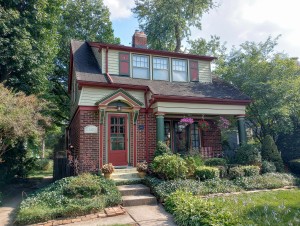
3. Poor curb appeal
It’s true what they say, first impressions matter. If your front yard is overgrown or your paint is peeling, it can send the message that the inside of the home might be just as rough which can bring down your property value.
Try this: Power wash your siding, clean up the landscaping (and maybe add a few of the best trees that work well in your yard), and give your front door a fresh coat of paint. These small, low-cost upgrades can instantly boost your home’s curb appeal.
4. Unpermitted work
Have you added a bathroom,r finished the basement, or tackled any DIY renovations without the right permits? That could be a problem. Unpermitted work might:
- Delay your sale: Buyers or lenders may delay closing until issues are resolved.
Reduce sale price: Buyers may offer less to cover potential repair costs or risks - Cost you in negotiations: Buyers could demand concessions or repairs.
- Trigger inspection issues: Inspectors may flag unpermitted work as a safety or compliance concern.
- Natural disasters: Damage from storms, fires, earthquakes, or hurricanes can lower property value.
- Flood zones: Homes in high-risk flood areas often have reduced value due to mandatory flood insurance and flood damage concerns.
Advice: Before listing, check with your city or county to make sure any additions or major home improvements are properly documented and permitted. It’s important to have the right building permits in place to avoid issues during the sale.
6. Bad odors
This one doesn’t get talked about enough. lingering odors from pets (check out these tips for selling your home when you have pets), smoking, or musty basements can turn buyers away almost immediately. The cause is often easy to fix, but the impression it leaves can be hard to shake.
Next steps: Deep-clean carpets, air out the home, and consider using an ozone machine if needed to eliminate persistent smells before showings.
7. Over-customization
A built-in wine cellar, game room, or a garage turned home gym may have been perfect for you, but too much customization can make it harder for buyers to see themselves in the space. When features are too specific or unusual, they can narrow the appeal and potentially limit your pool of interested buyers.
If you’re renovating: Keep resale in mind. Unique features can add value—especially if they’re flexible or easy to remove—but avoid overly personal or permanent changes that might deter future buyers.
8. Overpricing your home
It’s tempting to aim high, especially in a seller’s market, but pricing too far above comparables can lead to your home sitting longer than necessary. Once a listing gets stale, buyers start wondering what’s wrong.
Next steps: Work with a knowledgeable agent who can help you price your home accurately based on local market trends and recent sales.
What about the factors you can’t control?
While many factors affecting your home’s value are within your reach, some are beyond your control. These include:
- Location challenges: Proximity to busy roads, noisy neighbors, or nearby industrial sites can impact buyer interest.
- Market conditions: Changes in interest rates, economic trends, and the local real estate market affect property values.
- Local regulations: Zoning laws and planned developments can influence desirability.
- Neighborhood foreclosures
- Noise pollution
Although you can’t fix these issues, being upfront with buyers and working with an experienced real estate agent can help set realistic expectations and highlight your home’s strengths.
Tip: Focus on what you can control—such as maintenance, repairs, and presentation—to maximize your home’s appeal despite location or market challenges. Small upgrades and honest marketing can go a long way in overcoming factors outside your control.
What brings down property value and how to fix it
A lot of what brings down property value comes down to how buyers perceive your home. Do they see a place they can easily make their own, or one that feels like work? By addressing issues early, being honest about location challenges, and leaning on expert guidance, you can avoid some common pitfalls and make the most of your home’s potential value.