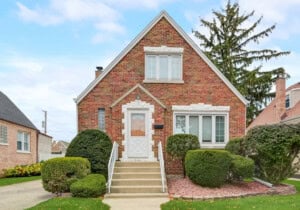
Congratulations on your new home. After navigating the homebuying process, you might be wondering what happens next, besides moving in. Whether it’s a home in Miami, FL, Portland, OR, or somewhere in between, this Redfin article will guide you through 16 essential things to do after buying a home for a comfortable transition into your new abode.

1. Secure your home
One of the first things you should do after getting the keys is change the locks and update any garage codes. You never know who might still have a copy of the old keys–previous owners, contractors, or even neighbors. Taking this step gives you peace of mind and confirms you’re the only one with access.
2. Complete necessary paperwork
While the administrative tasks might not be your top priority, handling essential paperwork is crucial post-move, as some filings carry strict deadlines with potential fines for oversight.
- Change your address: Within a week of moving, update your address through the USPS website and local DMV. Don’t forget to also notify critical entities like the IRS, state tax agencies, banks, credit card providers, employers, and insurance companies.
- Forward your mail: Arrange mail forwarding through your old post office to ensure deliveries are not sent to the wrong address during your transition.
- Update your voter registration: Update your voter registration at the DMV or through available online options. State-specific deadlines generally fall between 15-30 days before an election.
- Make copies of your closing documents: Keep copies of all your closing paperwork and store the originals somewhere safe, like a locked filing cabinet or a fireproof safe. You might need them later for taxes, refinancing, or selling the home, so it’s worth keeping them organized and easy to find.
3. Double-check your homeowners’ insurance
While insurance companies are typically informed of your new address during the mortgage process, especially for homeowners insurance, it’s important to actively review and update your policy. When your home changes, your coverage should also reflect your new space’s specific features and risks.
4. Purchase or review your home warranty
While not a necessity, home warranties are a great idea for improving security, financial protection, and peace of mind. This can be an especially smart choice for first-time homebuyers to help cover unexpected repairs to major systems and appliances. Additionally, if a seller includes a warranty as part of the sale, review the coverage terms carefully so you understand what’s included and feel more confident in your new home.
5. Connect the utilities
Switch off the utilities at your previous residence and arrange for their transfer or activation at your new home. Researching utility providers before your move can allow you to select the most suitable option.
Here’s a short list of utilities you’ll need to set up:
- Water/sewer
- Gas
- Electricity
- Refuse/trash collection (if applicable)
6. Check safety alarms
Alarms in your home, such as those that protect against health hazards and potential accidents, play a crucial role in ensuring the safety of you and yours. Take the time to inspect that these alarms are properly functioning and if not, replace them immediately.
7. Set up TV, internet, and phone services
After selecting a provider, choose between self-installation or scheduling a technician to set up your TV, internet, and phone services.
8. Find the circuit box and review emergency shut-offs and appliance manuals
Locate the circuit-breaker box and key emergency shut-offs, such as the main water line. If the circuits aren’t labeled, label them clearly to indicate which ones control specific rooms or appliances. While you’re at it, keep all appliance manuals in an accessible place to help you quickly address any maintenance or troubleshooting needs.
9. Use your inspection report as a to-do list for upkeep
Refer back to your home inspection report to compile a list of repairs, updates, or maintenance tasks for the future. Prioritize these tasks based on urgency, focusing on addressing issues that could potentially lead to problems later on. This way you can tackle the most pressing concerns first to safeguard your new investment and prevent potential complications down the line.

10. Test your water
“It’s a good idea to test your water, especially if you’re using a private well or moving into an older home. Contaminants like lead, bacteria, or even pesticides can sometimes show up in tap water, which may damage your plumbing or cause health issues. To protect your health and home, test your water through a certified lab which you can locate using resources from the Environmental Protection Agency (EPA).
11. Conduct an energy audit
To better manage usage and improve efficiency, consider scheduling an energy audit through your utility company or an independent auditor. Doing this helps to evaluate your home’s overall energy performance, including HVAC systems, insulation, and room-by-room consumption. Electricity is the most expensive utility and an energy audit can help reduce cost.
12. Change HVAC filters
It’s wise to replace your HVAC filters as soon as you move in, especially since there’s no way to know if the previous owners kept up with maintenance. Doing this helps prevent poor air quality and system damage, and continuing to change the filters will keep your HVAC running efficiently.
13. Develop a regular maintenance schedule
Instead of tackling all maintenance tasks like replacing air filters, cleaning gutters, and pressure washing at once, spread them out over time. Creating a regular home maintenance checklist can be a sustainable and efficient approach to preserve your new home’s long-term health and functionality.
14. Create an emergency plan
Ideally, you’ll never need it, but formulating an emergency plan is a crucial step that could potentially save lives in the event of a natural disaster.
15. Set up safety measures for kids and pets
If you have young children or pets, make sure to baby-proof and pet-proof your new home for the safety of these companions. For example, be sure to install safety gates, use outlet covers, and anchor heavy furniture. Taking these precautions helps to minimize potential risks, creating a child- and pet-friendly environment for everyone.
16. Introduce yourself to neighbors
If you’re looking to foster a sense of community, introduce yourself to your neighbors after buying your new home. These connections not only help create a friendly neighborhood atmosphere, but can also create a sense of security should you need them in case of emergency.
Things to Do After Buying a Home FAQs
Do I have to hire a locksmith to secure my home?
You don’t need to hire a locksmith to change your locks, but it is a more expensive option as opposed to DIY. Expense is also dependent on factors like level of security and lock complexity.
When should I update my address and who should I notify?
Ideally aim to update your address within the first week of moving and be sure to notify important institutions like the USPS, DMV, IRS, banks, credit card companies, insurance providers, and your employer of this update.
Do I need both homeowners insurance and a home warranty?
Homeowners insurance and a home warranty cover different things, so having both can offer broader protection. Homeowners insurance is usually required by lenders and covers major risks like fire, theft, and certain natural disasters. A home warranty, on the other hand, is optional and helps cover the cost of repairs or replacements for things like appliances, HVAC systems, and plumbing due to normal wear and tear.
What should be included in a home emergency plan?
- A map of your home
- Escape routes (at least two per room)
- Emergency equipment locations (know where fire extinguishers, first-aid kits, smoke and carbon monoxide detectors, and flashlights are located)
- An outdoor meeting spot for residents
- A list of emergency contacts