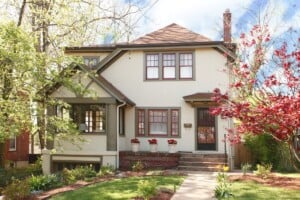
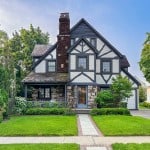
Tudor-style homes have a devoted following for good reason – their storybook charm, rich architectural details, and sense of permanence are hard to find in newer construction. Knowing how to increase the resale value of a Tudor-style house, though, takes more than a fresh coat of paint. It requires a careful balance of preservation and modernization that honors what makes these homes special.
In this Redfin guide, we’ll share expert-backed strategies for getting the most out of your Tudor – from restoring original character in a home in Bronxville, NY to modernizing for today’s buyers for a home in Englewood, NJ. The right updates can help your home stand out and sell for what it’s truly worth.
What is a Tudor-style house?
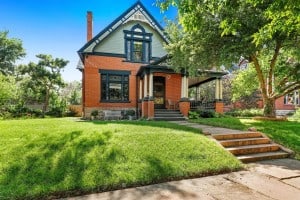
Tudor-style homes originated in early 20th century America as a nod to the architectural traditions of medieval England. These homes were built to feel solid, warm, and full of character – and that’s exactly what today’s buyers still love about them. The key to maximizing resale value is making sure those qualities shine through while quietly solving the problems that can give buyers pause.
They’re instantly recognizable by their:
- Steep, dramatic rooflines and prominent gables.
- Decorative half-timbering (the dark wood framing set against stucco or masonry).
- Tall, narrow windows, often with leaded glass or diamond panes.
- Substantial chimneys, frequently adorned with decorative brickwork.
- Arched doorways and entryways.
- Rich interior details like exposed beams, hardwood floors, and ornate millwork.
>>Check out: Buying a Historic Home: What to Know Before You Buy and How to Preserve It

Preserve and restore the architectural details
When it comes to Tudor homes, the details are the selling point. Exposed beams, arched doorways, leaded windows, decorative woodwork, and original masonry are the features that stop buyers in their tracks – and they’re irreplaceable once they’re gone.
“For Tudor-style homes, resale value often comes from preserving the architectural details that make the house distinctive while thoughtfully updating it for modern living,” shares Huma at Jersey Digs. “Original features like exposed beams, arched doorways, masonry, woodwork, and leaded windows can be major selling points, so homeowners should be careful not to renovate away the home’s character.”
Before jumping into renovations, take inventory of what you have. If original features have been covered up, damaged, or removed over the years, restoring them – rather than replacing them with modern alternatives – is almost always the smarter investment.
Fix what buyers can’t see before worrying about what they can
It’s tempting to go straight for the fun stuff – new countertops, fresh paint, updated fixtures. But if your Tudor has underlying structural or mechanical issues, those need to come first. Buyers today are savvy, and a home inspection that surfaces deferred maintenance can derail a deal fast.
“The best way to increase a Tudor home’s resale value is to preserve the character buyers want while correcting the problems they cannot see. A Tudor that keeps its architectural identity while offering modern comfort will stand out more than one remodeled to resemble a generic new build,” states Aleksandr Shapiro, owner of Bergen Restoration. “Repair the roof, chimney flashing, stucco, timber details, and drainage before making cosmetic changes, then modernize the kitchen, bathrooms, electrical, and HVAC without stripping out original windows, millwork, fireplaces, or arches.”
Brighten the interior without stripping away the character
Here’s one of the most common challenges with Tudor homes: they can feel dark. Deep wood tones, smaller windows, and compartmentalized floor plans were hallmarks of the era, but today’s buyers tend to gravitate toward light and airiness. The good news is you don’t have to sacrifice the character to solve the problem.
Francie Malina explains: “Buyers love Tudors but they tend to be dark. To make them ‘market ready’, we recommend lightening the interior without stripping away the character. Warm white walls, better lighting, lighter window treatments and refinished floors can dramatically change the feeling. We also recommend making the kitchen feel connected. It doesn’t need a completely open floor plan. Enlarging an opening between the kitchen and dining or family room, adding an island, improving sightlines and using warm, timeless finishes can be a better solution.”
Some practical ways to brighten up your Tudor without losing its soul:
- Paint walls in warm whites or soft off-whites that complement wood tones rather than fighting them.
- Swap heavy drapes for lighter, linen-style window treatments.
- Upgrade lighting with fixtures that feel period-appropriate but provide better illumination.
- Refinish or lighten dark hardwood floors.
- Open up the kitchen sightlines with a widened doorway or pass-through rather than a full wall removal.
Modernize the kitchen and bathrooms with Tudor-appropriate finishes
Kitchens and bathrooms are where buyers make decisions, and Tudor homes are no exception. The difference is that in a Tudor, the finishes you choose need to feel like they belong. Chrome and stark white minimalism can look jarring against arched doorways and exposed beams.
“Rather than replacing historic features with modern finishes, I recommend restoring original elements like hardwood floors, arched doorways, fireplaces, decorative woodwork, and exposed beams wherever possible,” encourages Tiffeny Forrest at The ARRIVED Team. “Combining these historic elements with thoughtful updates to the kitchen, bathrooms, lighting, and mechanical systems provides buyers with classic Tudor character alongside modern comfort.”
When updating these spaces, lean toward:
- Warm-toned hardware in brass, bronze, or unlacquered finishes.
- Shaker or inset cabinetry that feels timeless rather than trendy.
- Natural stone or honed surfaces over high-gloss options.
- Subway tile, zellige, or handmade tile in the kitchen and bath.
- Statement light fixtures that nod to the home’s era without being costume-y.
Make a strong first impression before buyers step inside
For Tudor-style homes, the exterior isn’t just curb appeal – it’s the whole pitch. Buyers often decide how they feel about a home before they ever walk through the door, and that gut reaction can make or break their interest before a single room is seen.
Heather Corrigan puts it this way: “I would suggest ensuring the outside is clean, and the roof and gutters are pristine. Also make sure any of the original woodwork and doorways are restored and the stucco is refreshed. If your Tudor’s character is preserved, especially the Tudor style front door, combined with mature-looking plants, you can get 14% more buyer engagement than a typical listing.”
That 14% bump in buyer engagement is significant, and it comes not from a full renovation, but from presentation and preservation. A Tudor that looks cared for, characterful, and move-in ready from the street will attract more serious buyers, generate more showings, and ultimately support a stronger offer. Think of the exterior as your listing’s first sentence – it sets the tone for everything that follows.
Boost the curb appeal while honoring the home’s original scale and materials
A Tudor’s exterior is its first impression, and for buyers who love the style, it’s often what made them click on the listing in the first place. Improvements that enhance the exterior without altering its character can have a big impact on perceived value.
“To increase the resale value of a Tudor-style home, prioritize preserving and restoring the architectural details that give it character, such as the steep rooflines, prominent chimney, distinctive windows, masonry, and original woodwork,” recommends Wilson Justino at Justino Contracting. “Exterior repairs and improvements should complement the home’s original scale, materials, and craftsmanship rather than making it look overly modern. Tudor Revival homes are especially recognized for steep gables, tall narrow windows, varied materials, and substantial chimneys, so protecting those elements can strengthen their appeal.”
Curb appeal upgrades that work well for Tudor homes include:
- Repointing or cleaning original brick and stonework.
- Refreshing or repainting stucco in a historically appropriate color.
- Repainting or replacing the front door with an arched or period-style option.
- Adding landscape structure with low hedges, boxwoods, or climbing plants.
- Upgrading exterior lighting with lantern-style or wrought iron fixtures.
- Repainting or restaining the decorative half-timbering.
Add functional living space to increase buyer appeal
Beyond aesthetics, buyers are also thinking practically. More usable square footage – especially space that serves today’s lifestyle needs – can meaningfully move the needle on resale value.
Sungu Development suggests: “Modernize high-impact areas such as the kitchen and primary bathroom with quality finishes while incorporating Tudor-inspired materials and details. Adding functional living space can further increase buyer appeal. Finally, upgrading mechanical systems, energy efficiency, flooring, millwork, and lighting will create a more polished, move-in-ready home and support a higher resale price.”
Ideas that tend to work especially well in Tudor homes:
- Finished basements: Tudor homes often have deep, solid foundations that convert well into family rooms, playrooms, or home offices.
- Mudrooms: Practical and in keeping with the home’s traditional sensibility.
- Home offices: A dedicated workspace is now a top priority for many buyers.
- Outdoor living areas: A stone patio, pergola, or garden space that complements the home’s masonry and character can extend the living space beautifully.
Increase the resale value of a Tudor-style house by balancing historic charm with modern comfort
At the end of the day, the Tudor homes that sell best aren’t the ones that have been frozen in time, they’re the ones where someone clearly understood what made the house special and made thoughtful decisions to protect it while bringing it forward. Whether you’re planning to list soon or just thinking ahead, the strategies in this guide can help you make smart, value-driven decisions that pay off when it counts.