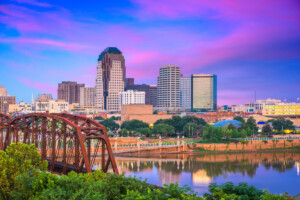
Louisiana, often called the “Pelican State,” is a vibrant and culturally rich state that captures the essence of the Deep South. Life in Louisiana is a feast for the senses, with the sultry sounds of jazz and the savory aromas of Creole and Cajun cuisine. It’s a state where the party never ends, from the iconic Mardi Gras celebrations in New Orleans to the lively music scene found throughout. So whether you’re searching for a historic home for sale in Baton Rouge, or apartments in New Orleans, get ready for what Louisiana has to offer. Read on for 12 pros and cons of living in Louisiana to help you decide if Louisiana is a good place to live.
Interested in moving to Louisiana? Check out:
Homes for sale in Louisiana | Apartments for rent in Louisiana | Houses for rent in Louisiana
Quick Facts about Louisiana
| Population | 4,657,757 |
| Median home sale price | $251,300 |
| Average rent in Louisiana | $1,304 |
| Largest cities in Louisiana | New Orleans, Baton Rouge, Shreveport |
Is Louisiana a good place to live?
It depends on what you’re looking for. Louisiana has a lot going for it—rich culture, lively music, distinct cuisine, and a strong sense of community. Cities like New Orleans and Lafayette offer a unique blend of traditions you won’t find anywhere else, and there’s a relaxed, welcoming vibe across much of the state. The cost of living is also lower than the national average, which can be a major draw.
But it’s not without its challenges. Louisiana faces frequent hurricanes and flooding, particularly in coastal areas, and some regions struggle with aging infrastructure and limited access to healthcare. The weather can be incredibly hot and humid for much of the year, and air quality can also be a concern. For many, though, the culture, food, and affordability make those trade-offs worth it.
1. Pro: Louisana is an affordable place to live
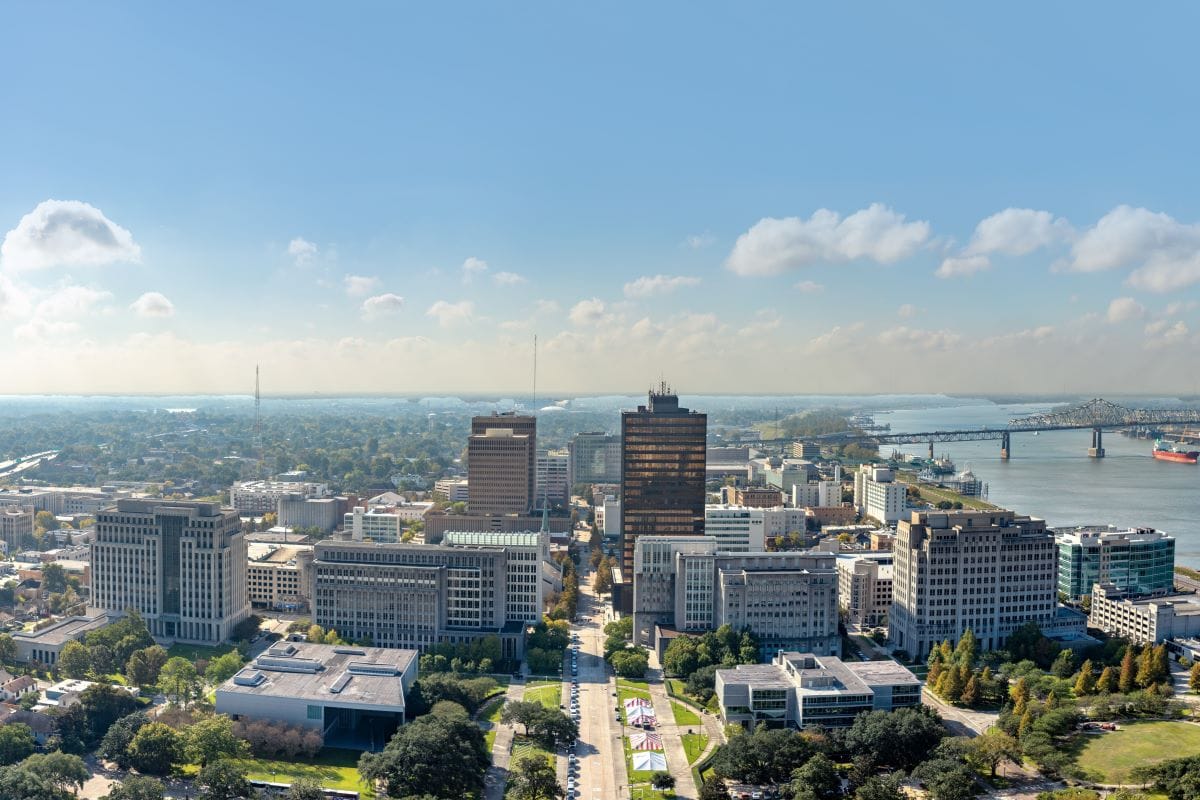
Louisiana consistently ranks as one of the more affordable states in the U.S. The median home sale price is around $251,300—more than $180,000 below the national median of $438,000. In cities like Lafayette, Baton Rouge, and Shreveport, buyers and renters alike can find larger homes or apartments for significantly less than what they’d pay in similarly sized metros in other states. Even in New Orleans, the largest city in the state, the median home sale price is just $312,000. Utility costs in Louisiana are also among the lowest in the country, thanks in part to low electricity rates. Groceries and healthcare tend to fall below the national average, and there’s no state tax on Social Security income, which benefits retirees. Altogether, Louisiana offers a lower financial barrier to entry for many individuals and families, especially compared to neighboring states like Texas or Florida.
2. Con. Aging infrastructure is common outside of major metros
In many parts of Louisiana, infrastructure hasn’t kept pace with population growth or modern needs. Roads and bridges can be in poor condition, drainage systems are often outdated, and public transportation is limited outside of major hubs. These issues can impact daily life, especially in smaller towns and rural areas. While infrastructure remains a challenge across much of the state, cities like Baton Rouge, New Orleans, and Shreveport have seen more investment in recent years, with improved roadways, development projects, and modernization efforts
3. Vibrant music scene
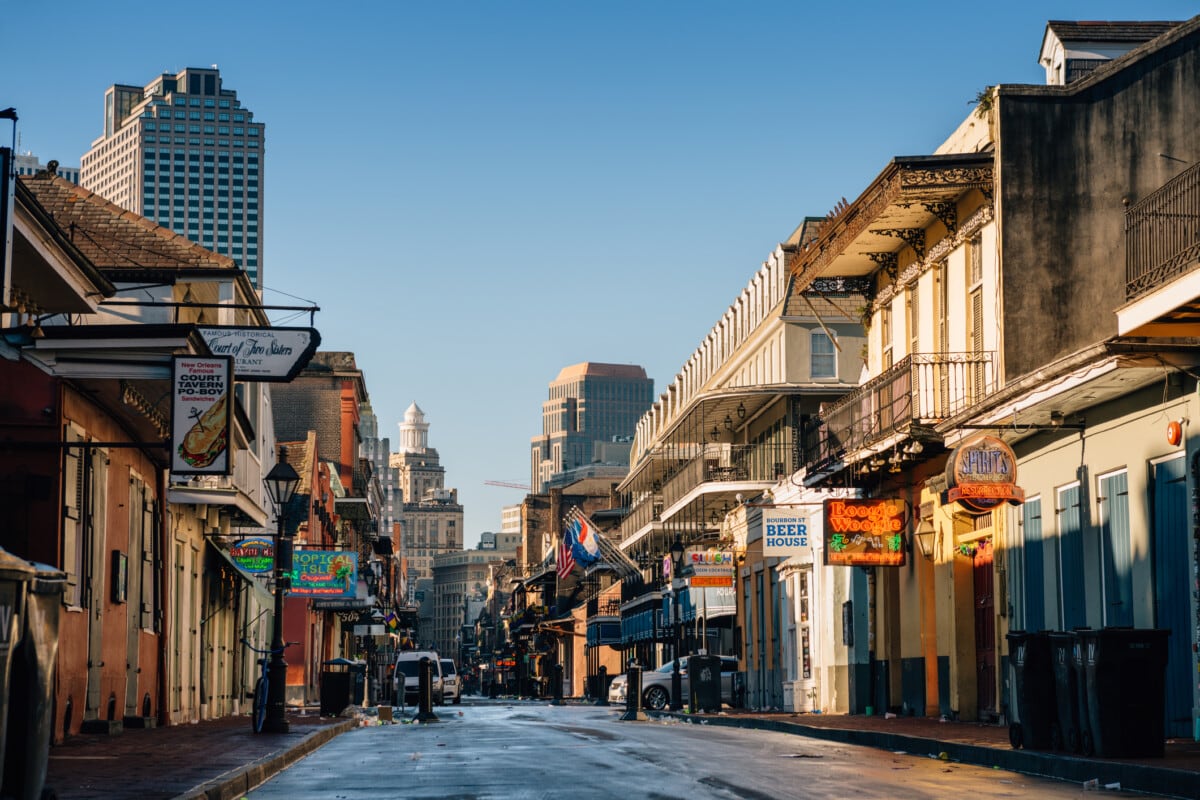
Louisiana’s vibrant music scene is a testament to its cultural richness and has been a source of inspiration for artists and music enthusiasts worldwide. The state is often hailed as the birthplace of jazz, with iconic venues like the Preservation Hall in New Orleans showcasing this genre’s enduring influence. The city’s French Quarter is home to legendary bars and clubs where jazz, blues, and zydeco rhythms fill the air. Additionally, the roots of Cajun and Zydeco music run deep in Louisiana, with places like Lafayette hosting numerous festivals and dance halls dedicated to these distinctive styles.
4. Con: High humidity and hot summers
During the summer, the state experiences high temperatures, often accompanied by humidity levels that make the heat feel even more oppressive. This combination can lead to discomfort and potential health risks, particularly for those sensitive to extreme weather conditions. The high humidity can also contribute to issues like mold growth and make outdoor activities less enjoyable, as excessive sweating and dehydration become common concerns.

5. Pro: Rich cultural and historical heritage
Louisiana boasts a rich cultural and historical heritage that makes it a unique and enticing place to live. This state is a melting pot of influences from Native American, French, Spanish, African, and Creole cultures, resulting in a vibrant tapestry of traditions, music, cuisine, and festivals. From the lively jazz scene of New Orleans to the captivating architecture of the French Quarter, every corner of Louisiana is steeped in history and charm. Additionally, Louisiana’s deep-rooted Mardi Gras traditions and connection to the vibrant arts scene contribute to a colorful and dynamic way of life.
6. Con: Frequent hurricanes and tropical storms
The state is highly susceptible to natural disasters like hurricanes and tropical storms, especially during the hurricane season, which typically spans June to November. Louisiana’s low-lying coastal regions and proximity to the Gulf of Mexico make it particularly vulnerable to severe weather events, with hurricanes like Katrina and Rita leaving a lasting impact on the region’s communities. These storms can result in property damage, flooding, and even displacement, leading to significant emotional and financial hardships for residents. Preparing for and weathering these storms demands careful planning and resources, which can be stressful and disruptive.
7. Pro: Delicious and diverse cuisine
French, Spanish, African, and Creole influences have given birth to a unique and diverse culinary landscape in Louisiana. Moving to Louisiana means immersing yourself in Creole and Cajun cuisines, for instance, are celebrated for their rich and spicy flavors, with dishes like gumbo, jambalaya, and étouffée captivating the palate. New Orleans is a culinary mecca, offering iconic delicacies such as beignets, po’boys, and the famed muffuletta sandwich. Seafood lovers can indulge in fresh catches from the Gulf of Mexico, including mouthwatering crawfish, shrimp, and oysters.
8. Con: Traffic congestion, especially in larger cities
Traffic congestion can be a notable downside to living in some regions of Louisiana, especially in larger cities like New Orleans and Baton Rouge. The state’s infrastructure and road systems can become overwhelmed during peak travel times, frustrating commutes and delays. Rush hour traffic, particularly on major highways and bridges, can be a daily source of frustration for residents, impacting their quality of life and productivity.
9. Pro: Warm climate and mild winters
Louisiana’s warm climate and mild winters are a major draw for those seeking a more temperate and enjoyable outdoor lifestyle. With its subtropical climate, the state boasts long, sunny summers perfect for outdoor activities like fishing, boating, and festivals. The winters are pleasantly mild, with temperatures rarely dropping to freezing levels, making it possible to continue enjoying outdoor adventures throughout the year. The absence of heavy snow and bitter cold is a welcome relief for residents who prefer a more comfortable and relaxed way of life.
10. Con: Potential issues with pests, including mosquitoes and alligators
The state’s warm and humid climate provides an ideal breeding ground for mosquitoes, which can be both a nuisance and a health concern due to the risk of diseases like West Nile virus. Residents often need to take preventive measures and use insect repellents to enjoy outdoor activities without interruption. On the other hand, the presence of alligators is a unique aspect of Louisiana’s natural environment. While these creatures are generally not a threat to humans, their company in water bodies and marshy areas can create apprehension for some residents and necessitate caution.
11. Pro: Beautiful natural landscapes
Louisiana’s natural landscapes are a testament to the state’s breathtaking beauty and provide residents with numerous opportunities to connect with nature. The bayous, swamps, and wetlands of the Atchafalaya Basin and the Honey Island Swamp offer a unique and mystical environment teeming with wildlife, including alligators, herons, and bald eagles. The state’s coastline has pristine beach towns and barrier islands like Grand Isle, a haven for sunbathers, anglers, and birdwatchers. For those who prefer woodlands, Louisiana is home to Kisatchie National Forest, a vast expanse of piney hills, hiking trails, and camping sites, making Louisiana a good place to live.
12. Con: Vulnerability to coastal erosion and sea-level rise
Louisiana’s coastal areas have been facing an ongoing and severe erosion crisis, exacerbated by a combination of factors. This loss of land is not only an environmental issue but also a threat to communities, economies, and the unique culture of the region. Sea-level rise is compounding this problem, making coastal areas more susceptible to flooding and inundation during storms and high tides. Efforts to combat coastal erosion and sea-level rise, such as coastal restoration projects and levee systems, are ongoing. Still, the challenges are significant and complex and can cause challenges to residents.