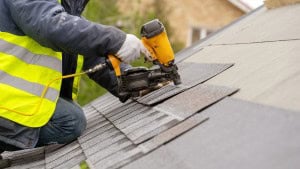
Are you considering embarking on a “do it yourself” project to remodel your home? While the idea of taking on a DIY project can be exciting and cost-effective, it’s important to be aware of common mistakes that homeowners often make during the remodeling process. Whether you recently purchased a home in Irvine, CA, or are planning on upgrading your Albuquerque, NM, home, we have put together a list of common DIY remodeling mistakes to provide you with valuable tips on how to steer clear of them.
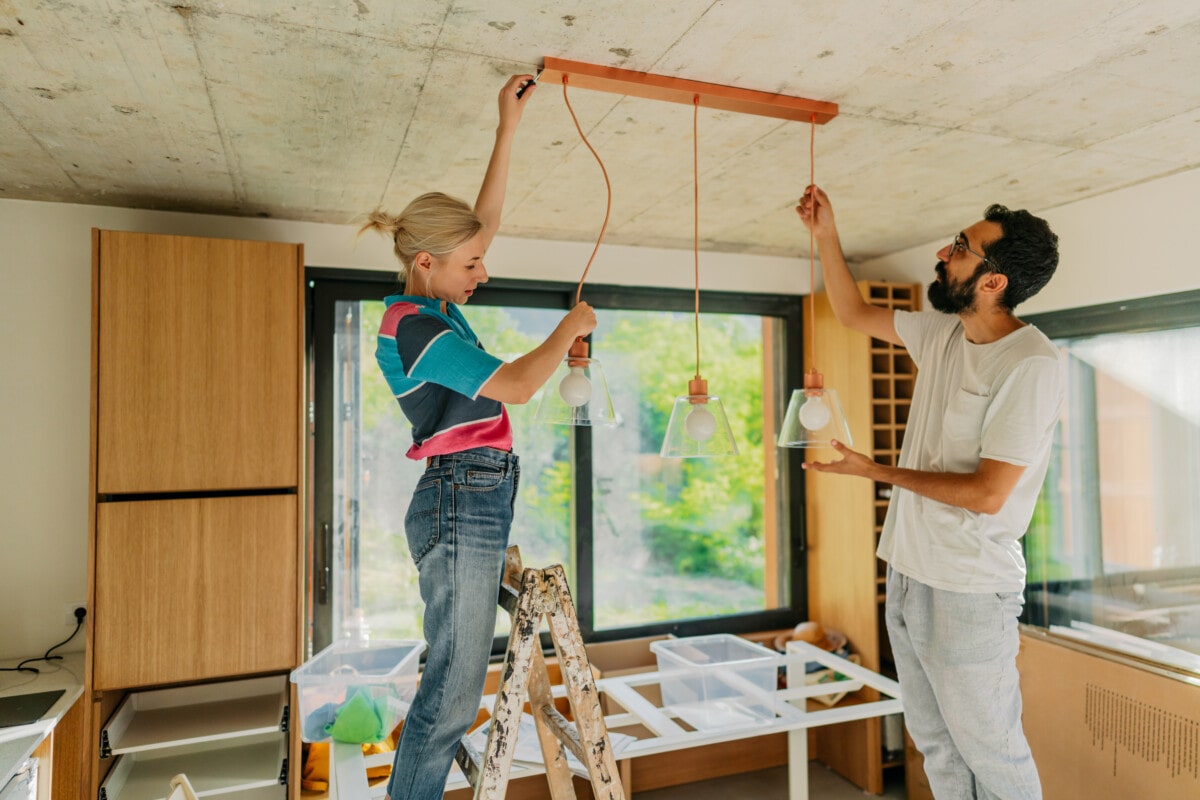
1. Neglecting building codes and permits
One of the most critical mistakes homeowners make is failing to pay attention to building codes and permits. Even if you’re not required to obtain a permit for your project, it’s essential to adhere to building codes and best practices. Neglecting these guidelines can lead to issues when it’s time to sell your home, potentially derailing the sale or necessitating costly after-the-fact permits and demolitions. Remember, pulling a permit is crucial, even if you’re tackling the work yourself.
“Cosmetic work, like painting, some tile work and replacement of some fixtures is a weekend warrior project. However, when remodeling jobs require plumbing relocation or modification, electrical rewiring, and waterproofing, these tasks must be completed by a knowledgeable professional contractor. Homes built before the 1980s may contain asbestos and lead paint, which must be remediated before starting work.” – Gonzalo Trenosky, Sales, Carolinas Renovation Experts
To ensure compliance with building codes, contact your local building department to determine whether you need a permit for your project. While obtaining a permit may be an inconvenience and incur expenses, it’s vital to prioritize safety, protect your investment, and maintain the well-being of your community. If your project involves specialized knowledge, such as building a deck, consult an expert who understands local codes, structural load requirements, and can provide the necessary expertise for a safe and sturdy structure.
2. Using cheap materials
Trying to cut costs by using cheap materials is a common pitfall during DIY projects. While it’s understandable to keep your budget in mind, compromising on material quality can lead to higher maintenance expenses in the long run. Prioritize quality when selecting materials to ensure your project withstands the test of time and avoids costly repairs or replacements down the road. Research different options, compare prices, and choose materials that strike a balance between affordability and quality. Investing in higher-quality materials upfront will save you money and headaches in the future.
3. Underestimating project time
Underestimating the time required to complete a project is another frequently encountered mistake. This oversight often results in rushed work, suboptimal outcomes, unexpected issues, and last-minute calls for professional help, leading to additional expenses. When estimating the duration of your DIY project, seek guidance from experienced professionals and allocate twice the allotted time. Take the time to create a detailed project plan. Break down the tasks involved, allocate realistic timeframes for each step, and add extra time as a buffer for unforeseen challenges. By setting realistic expectations and allowing ample time for each stage of the project, you can ensure a smoother and more successful remodeling experience. Doing so will alleviate stress and ensure that your project is completed to the best of your ability.
“Most remodeling projects don’t get delayed because someone swung a hammer the wrong way — they get delayed because the planning wasn’t finished before the work started. One of the most common issues is ordering materials too late or making selections as the project is already underway. Cabinets, windows, tile, specialty fixtures, and even some flooring products can have long lead times, and one delayed item can hold up everything else.” – Jonah Canter, owner of Canter Construction
4. Taking on more than you can handle
Attempting tasks that require specialized skills without the necessary training can be detrimental to both your budget and personal safety. Professionals like design/build firms, plumbers, HVAC specialists, and electricians have honed their skills through years of education and training. If you’re unsure about your ability to handle a particular aspect of the project, it’s best to reach out to local home remodeling companies or maintenance specialists for assistance. While it may seem like a cost-saving measure initially, taking on more than you can handle can result in expensive remodeling mistakes and compromise the overall success of your project. It’s crucial to prioritize safety and the longevity of your investment by relying on professionals who can bring their expertise to the table. Remember, what makes a project truly complete lies in the attention to detail provided by experienced tradespeople.
“A good rule of thumb is that cosmetic projects like painting or replacing hardware are usually DIY-friendly, but anything involving structural framing, electrical, plumbing, waterproofing, or load-bearing components should be handled by a qualified professional. If you find yourself guessing, watching multiple conflicting tutorials, or making changes without a clear plan, you’re likely in over your head. Calling a contractor early is often far less expensive than paying someone to correct a failed installation.” – American Saddlebred Builders
5. Hiring unlicensed contractors
Opting to hire unlicensed contractors, often friends or acquaintances, in an attempt to save money can have serious repercussions. Homeowners frequently encounter incomplete projects or dissatisfaction with the final results when working with unlicensed contractors. This often necessitates hiring licensed professionals to fix or replace the work, resulting in additional costs. Understand the importance of hiring licensed contractors from the start to ensure the successful completion of your project. If you opt to hire a licensed contractor, here are 8 vital questions you should ask them before starting any home improvement project.
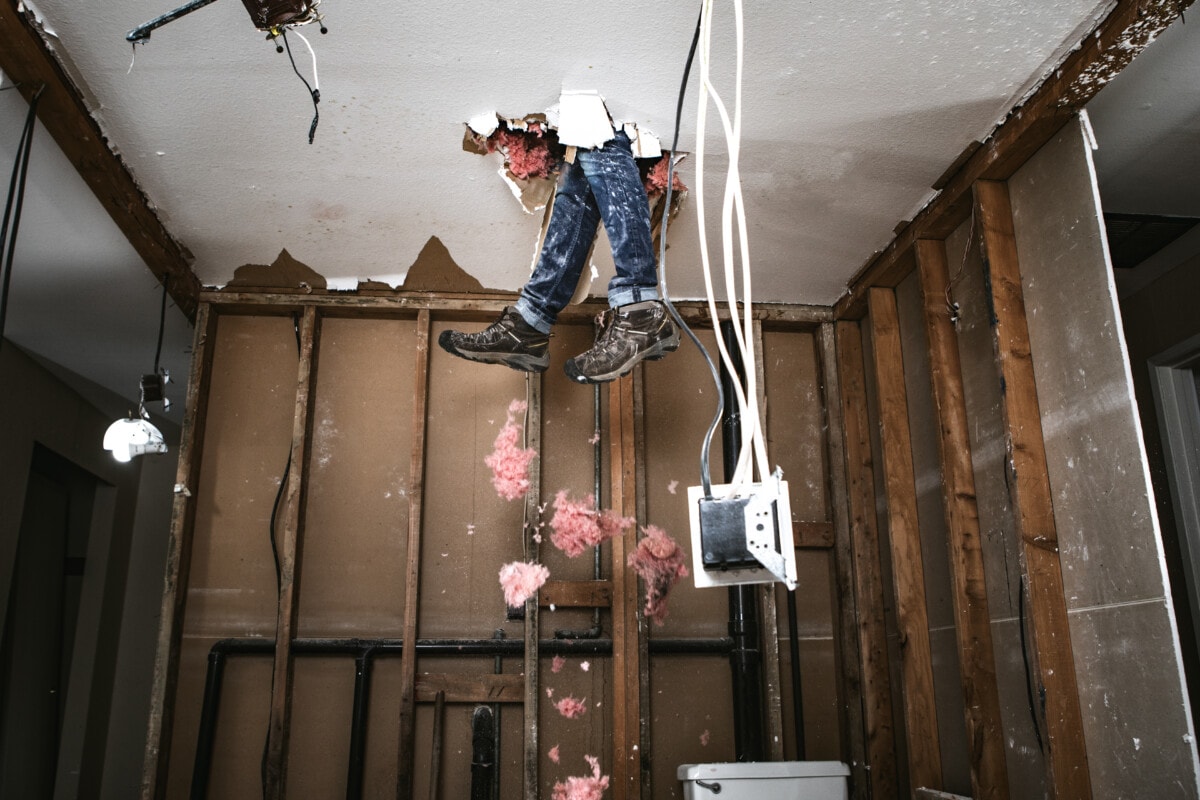
6. Failure to plan in advance
To avoid unexpected expenses and change orders during construction, it’s essential to plan ahead and select your finish materials before requesting bids from contractors. Costs for items like cabinets, flooring, and tile can vary significantly, and failing to specify these materials can lead to underbidding or overbidding by contractors, making it difficult for homeowners to compare bids or financially prepare for the project. Plan your project meticulously, double-checking all materials and products for size, style, and content before commencing construction. By doing so, you can minimize time, frustration, and waste while ensuring you have sufficient supplies throughout the project.
“Don’t swing a hammer until every piece of material is sitting in your garage. Tile, vanities, anything custom could be six to ten weeks out right now, and I’ve watched people demo in March and wait until May on a backordered vanity top. Second thing, if the house went up before 1990, set aside 20% for whatever’s in the walls. You’ll find something. The ones who end up in real trouble are the ones who spent every dollar before they found it.” – Anton Sergeev, PRG Home Improvement
7. Inadequate space planning
Poor space planning can lead to various issues, such as clashing doors, uneven floor transitions, or inadequate clearances in kitchens and bathrooms. Take the time to create accurate scale drawings, models, or full-size mock-ups of your project. This proactive approach allows you to identify and address potential problems before construction begins, as rectifying these issues afterward can be challenging or sometimes impossible.
8. Relying on TV portrayals
TV shows often portray DIY projects as smooth and effortless, downplaying the challenges and difficulties involved. Homeowners who underestimate the complexities of these projects may find themselves overwhelmed and ultimately seek professional help after encountering setbacks. Keep in mind that real-life projects rarely unfold as seamlessly as they do on television. Be prepared to invest time, effort, and research to achieve the desired outcomes and avoid any remodeling mistakes.
9. Inaccurate measurements
Accurate measurements are essential for the smooth progress of any remodeling project. Inaccurate measurements can lead to significant delays, complications, and even costly mistakes. Whether you’re replacing windows, installing plumbing fixtures, or working on other aspects of your project, taking the time to measure carefully and accurately is crucial. Take the time to measure carefully and seek guidance from professionals or experts, they can provide you with valuable advice, tips, and techniques to obtain precise measurements, mitigating the risk of errors and ensuring a smooth progression of your project. Remember, accuracy in measurements is a fundamental aspect of successful remodeling, and investing time and effort into this task will save you time, money, and frustration in the long run.
10. Insufficient bathroom waterproofing
Properly waterproofing your bathroom is of utmost importance before embarking on a DIY remodel.
“Most of the expensive repairs we get called in for start with water, or with something nobody checked behind a wall. People buy good tile, skip the waterproofing under it, and two years later we are pulling out subfloor and framing. Before you cut into a wall, know what is in it and whether it is holding up the house, especially in older homes around Boston where you run into knob and tube wiring and no fire blocking.” – Coen Construction, a general contractor serving Greater Boston since 2010
Neglecting this critical step can lead to significant and costly water damage in the long run. Bathrooms are exposed to high levels of moisture, and without effective waterproofing, water can seep into the walls, floors, and substructures, causing mold growth, rot, and structural issues. Additionally, water damage can extend beyond the bathroom itself, affecting adjacent rooms and compromising the integrity of your home. By ensuring thorough waterproofing, you not only protect your investment but also create a safe and healthy environment in your home. It is worth investing the time and effort to get it right, either by hiring a professional or conducting extensive research to ensure proper installation of waterproofing materials and techniques.
By familiarizing yourself with these common DIY remodeling mistakes and the corresponding preventative measures, you can approach your home improvement project with confidence. Remember, it’s essential to prioritize safety, follow building codes, allocate sufficient time, and seek professional help when needed. With proper planning, attention to detail, and the right approach, you can achieve a successful DIY remodel that enhances your home while avoiding costly mistakes.