- Real estate comps are recently sold homes similar to the one you’re buying or selling.
- Buyers, sellers, agents, and appraisers use comps to understand home values.
- A Redfin agent or Redfin’s home value tools can help you find reliable comps.
Pricing a home doesn’t have to feel like a guessing game. Real estate comps—short for comparable home sales—show what similar homes in your area have actually sold for, helping buyers make competitive offers and sellers set realistic prices. So before you sell your home in San Diego or close on that house in Miami, read this Redfin article about how to find comps in your area.
What are real estate comps?
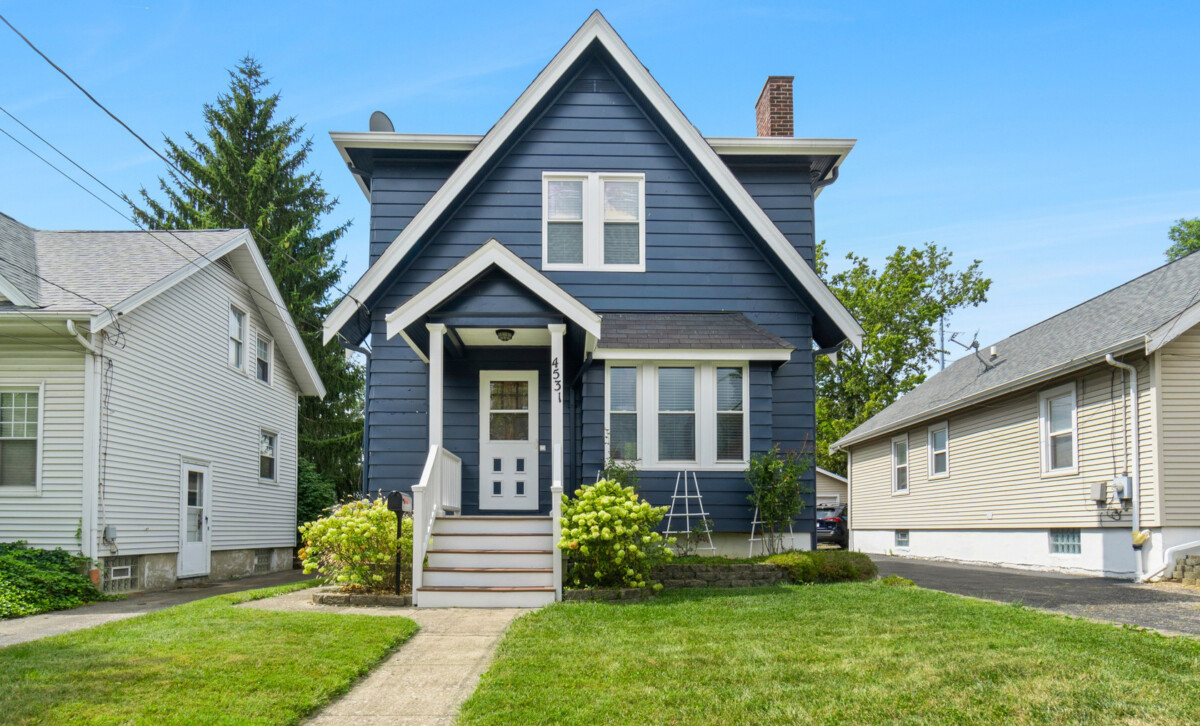
Real estate comps, also referred to as “closed comparable sales,” are recently sold homes in a specific area that share similar characteristics with the home you’re selling or considering buying.
Keep in mind that home values vary by location. For example, a home in Houston, TX will list for a different price than an exact replica of the same home listed in Sacramento, CA. Local market conditions, neighborhood demand, and housing supply all play a major role in determining a home’s value.
Tips for finding the best real estate comps
To be considered a strong comparable, a property should closely match your home in several key areas, including location, size, age, condition, and sale timing.
Make sure your comps are located near your house
Location matters. In some areas, a property’s value can change from neighborhood to neighborhood or block to block. Start by looking for comps within a 1-mile radius, expanding the radius to as many as 5 miles if necessary in less dense areas. Redfin agents can provide expert knowledge, which can help you understand local nuances, so don’t hesitate to ask for guidance if prices vary widely.
Comps should be recently sold homes
Focus on homes that have been sold within a three-to-six-month period. In fast-moving markets, more recent sales may better reflect current pricing trends.
Your real estate comp’s neighborhood should share similar features
Real estate comps should have the same neighborhood features, such as distance to schools, stores, hospitals, waterfronts, parks, and views. Access to public transportation and overall walkability can also influence value, especially in urban areas.
Make sure any comps were built around the same time
The ideal comp is a home that’s as old as the one you’re buying or selling. As a general rule, look for homes built within five years of yours.
Look for houses that are around the same size
Square footage plays a significant role in comparing home values. The best comps are properties with similar interior square footage, since larger or smaller homes can significantly raise or lower value.
Consider the layout of potential comps
If the home has an unconventional floor plan or is divided into smaller, separate rooms, it can bring down the value and the sales price. Homes with similar layouts tend to be better comparisons than those with very different floor plans.
Price per square foot is a great metric for comparing houses
Calculate the price per square foot by dividing the home’s sale price by its square footage. Price per square foot is always a good measuring stick when comparing very similar homes, but it’s less reliable when properties differ significantly in condition, layout, or lot size.
Take the number of beds and baths into account
A home’s value typically increases when there are more bedrooms and bathrooms. Even if two homes have the same square footage, the one with more bedrooms and bathrooms will be valued at a higher price.
Be aware of the condition of comps at the time of the sale
If a home was in disrepair, its sale price may reflect the cost of needed repairs. Fixer-uppers and move-in-ready homes can appear similar on paper but sell for very different prices, so it’s important to look beyond the final sale number.
Take note of any recent upgrades and renovations
When a homeowner updates a bathroom or renovates a kitchen, their home value typically increases. Consider any renovations or upgrades you see in your real estate comps and how those compare to your home’s features. Does your home have a new kitchen or a deck that needs fixing? Either of these will undoubtedly have an impact on your home’s value.

How to find comps in your area
When searching for local comps, aim to find three or more similar properties to ensure that any comparable property isn’t an outlier in price. For example, one home comp in your area may be lower than what you should list your home for sale for because it’s in poor condition and needs work. Another property may be priced higher because it’s the best house on the block. Having at least three property comparables should give you an average price point to start with.
Here are five easy ways to get those real estate comps.
1. Use a real estate website to find local comps
A real estate listing website like Redfin makes it easy to find recent home sales in your area.
How to find comps on Redfin:
- Search by address to see public sale info, including the last sold price.
- Scroll down on the listing page for nearby recently sold homes.
- Click “View More Recently Sold Homes” for a full map of recent sales.
Refining your search:
Use filters to narrow results by:
- Listing status: Set to “Sold” to remove active listings.
- Timeframe: Start with one month, then expand to 3-6 months if needed.
- Property details: Match beds, baths, square footage, lot size, year built, and HOA fees to your home.
- Special features: Consider amenities like waterfront views or recent upgrades.
This approach provides a strong starting point for understanding fair market value, though it may not fully account for conditions or renovations.
2. Use an online home valuation tool
Another way to find real estate comps is a home valuation tool. Because Redfin uses complete MLS data on recently sold homes, our tools can help you understand how your home compares to others nearby.*
- Instant home-value estimate and free home report: This is a fast and easy way to see what your home can sell for. Simply type in your address, and see Redfin’s estimate for your home based on recent home sales in your area. It’ll even show you comps in your area just below the estimate.
- A professional estimate prepared by a Redfin Agent: This is a free, no-obligation property estimate prepared by a Redfin agent who knows the housing market in your area. Though you won’t get the estimate back instantaneously, you’ll receive an estimate within an hour that’s more comprehensive.
*These estimates are not intended as an appraisal and are not a substitute for the services of a professional, licensed appraiser.
3. Ask your real estate agent to procure MLS comps
One of the most reliable ways to get accurate real estate comps is to work with a local Redfin real estate agent. Local real estate agents are experts in their market and can give you sound advice on how to price your property, as well as help you understand data in MLS comps. Only licensed agents have access to the MLS, which is the most up-to-date and accurate tool available.
Agents can also explain why certain homes sold for more or less, helping you interpret the data rather than just reviewing numbers.
4. Research public property records
Another valuable resource for homebuyers and sellers is your county’s public property records. Unfortunately, public property records can be a hit or miss when it comes to comps, as you’ll only be able to find the last recorded sale price, which may be from ten years ago. Public property records can be a good place to start, but you’ll need additional research to find accurate numbers.
Most counties allow you to search property records online at no cost – although you may need to pay for printed documentation.
*This is not intended as an appraisal and is not a substitute for the services of a professional, licensed appraiser.
5. Check real estate auctions and foreclosure sales
Another way to find real estate comps is by looking at auction and foreclosure sales, which can provide additional pricing data, especially in areas with limited recent sales.
How to find auction and foreclosure comps:
- Search foreclosure listings on sites like Redfin.
- Check government resources like the HUD home store or county websites.
- Attend local real estate auctions to see what similar homes are selling for in distressed sales.
While foreclosure and auction sales may be priced lower due to the nature of the sale, they can still provide useful data points—especially if distressed properties are common in your area. Just be sure to compare condition, repair needs, and selling circumstances when using these as comps.

Who uses real estate comps?
Real estate comps are a useful tool for various people involved in real estate transactions. Here’s a breakdown of how different people benefit from using real estate comps:
Real estate agents and brokers
Agents and brokers use real estate comps every day to do their jobs. By analyzing recent sales and pending transactions, they can recommend fair market values and adjust pricing strategies based on current market conditions.
Home sellers
Sellers use comps to understand what similar homes in the area are selling for, allowing them to price their home for sale at a list price they feel confident in. Comps also help home sellers clarify their home’s selling points, which will be highlighted in the home’s description when it’s listed for sale.
Homebuyers
Homebuyers use accurate real estate comps for making an offer. By researching similar properties in the area, buyers can verify that the listing price is fair, or if the price is too high or low. Comps are also helpful in creating a strategy for negotiating a home sale.
Home appraisers
Home appraisers use comps to determine a property’s fair market value. Since no two homes are exactly alike, they compare recent sales of similar properties in the same area to estimate a home’s worth. Lenders require appraisals to ensure a home is worth the loan amount, making comps a key factor in the mortgage approval process.
FAQs about finding real estate comps
1. What makes a property a good comp?
A comparable property should have similar characteristics to yours, including:
- Location (same neighborhood or within a 1-mile radius)
- Square footage
- Number of bedrooms and bathrooms
- Year built
- Property type (single-family, condo, multi-family)
- Recent sale date (ideally within the past 3-6 months)
2. How many comps should I look at?
Aim for at least three to five comparable properties to get an accurate price estimate. Using too few comps can lead to skewed results, while too many may dilute the relevance.
3. Can I use active listings instead of sold homes?
Not really. Active listings show what sellers hope to get, but sold homes reflect actual market value. Pending sales can also provide insights, but sold comps are the most reliable.
4. Why do comps in my neighborhood vary so much in price?
Home values depend on market demand, home condition, and unique features like upgrades, lot size, or views. If prices vary widely, dig deeper into each comp’s specifics.
5. How often should I check for new comps?
If you’re selling or buying soon, check for updated comps every few weeks. Markets can change quickly, and more recent sales provide the best pricing insights.
A final note on real estate comps
Finding and analyzing comps can be tricky. However, your local real estate agent has the resources and expertise to walk you through the process. They can help you nail down a good price to list your home.
Are you curious how much you can make from selling your home? Check out Redfin’s home sale calculator to see what your estimated home sale proceeds could be.