If you’re thinking of buying a house, you may be considering a condo. Condominiums, or condos, are a popular choice for many first-time homebuyers, homeowners looking to downsize or relocate to a place like Jacksonville, FL, and those looking to purchase a home in a bigger city like New York City, NY. If you’re interested in condo life, there are some important considerations you need to make before you buy.
In this Redfin guide, we’ll cover what a condo is, the costs of buying and owning one, how the buying process works, the pros and cons of condo ownership, and what to know before making an offer.
What is a condo?
A condominium is an individual housing unit within a multi-unit housing complex. The housing complex could contain as few as two units or more than a hundred. Each unit is individually owned and the owners are responsible for the maintenance and upkeep of their own unit.
One of the most important aspects of condo ownership is that owners are also typically responsible for paying homeowner’s association (HOA) monthly fees. The HOA facilitates the maintenance and upkeep of common spaces, such as parking lots, landscaping, roofs, and recreational facilities like pools and gyms. They decide when to take on large improvement projects and can require assessment fees to cover these projects. HOAs are also responsible for establishing rules and regulations for community members of the condominium complex.
To be a member of the HOA, a person must be a current resident in the complex. In most cases, annual elections are held and condo owners vote for the residents they want to manage the HOA. So if you desire more involvement in the operation of your condominium complex, you can get involved with your HOA.
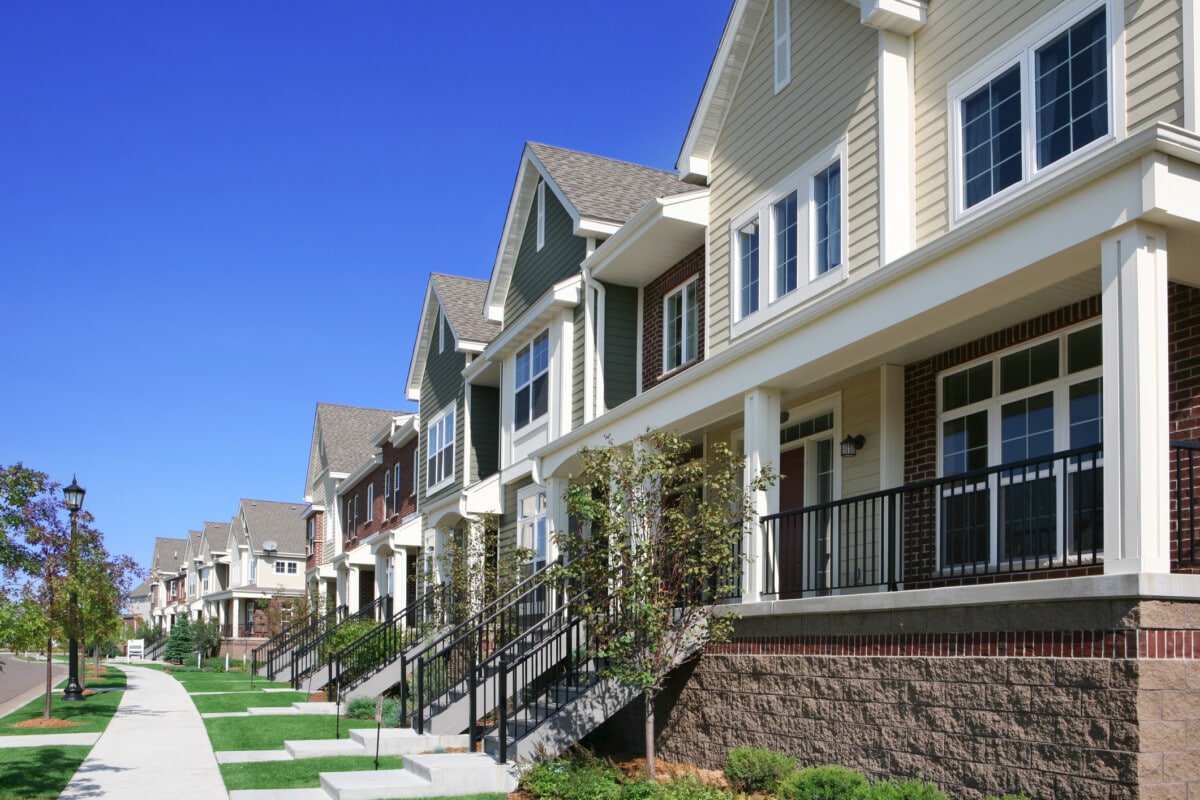
Typical condo association fees
The average range for monthly HOA fees is between $200 and $400. However, some HOA fees can be much higher or lower depending on where you live, the age of your building, and the amenities offered.
Condo developments in large metro areas and older condo buildings tend to have higher monthly fees. If you’re looking to buy a condo in a high-rise complex with ocean views, expect to pay much higher HOA fees, sometimes more than $1,000 a month.
You may think that the lower the HOA fee, the better, but that’s not always the case. Be wary of complexes with HOA fees lower than $200 a month because it can indicate an under-managed HOA or an HOA with little cash reserves. When an HOA has small cash reserves, it will have to charge assessments for the entirety of project costs. For example, when it comes time to replace a roof on one of the buildings, you could find yourself paying a hefty special assessment fee.
Always be sure to get all pertinent information about your potential condo’s HOA before you buy.
“When buying a condo, it’s easy to focus on the home itself, but the condo association deserves just as much attention. I always encourage buyers to review the association’s budget, reserve fund, meeting minutes, and governing documents to get a clear picture of how the community is managed; this information can be requested directly from the association. Healthy reserves, well maintained common areas, and transparent communication are all positive signs, while low reserve balances, repeated special assessments, deferred maintenance, ongoing litigation, or restrictive policies can lead to unexpected costs after closing.” – Nishikwa Brown, Realtor, Better Homes and Gardens Real Estate Palmetto
Types of condos
When you buy a condo, you buy what’s known as a “freehold condo,” where the unit is owned by the tenant. This is in contrast to a leasehold condo, where the tenant has a lease contract with a landlord.
There are several types of freehold condos:
- Traditional condo home: The owner owns the interior of the unit, while the exterior is owned and maintained by the association.
- Timeshare condo: Typically used as a vacation home or second home, a timeshare is owned by several people who purchase a share of the house. Shareholders are given specific dates and number of days of occupancy. They pay maintenance fees and taxes.
- Detached condo: Condos that don’t have shared walls and are typically called planned communities. Detached condos are popular in retirement communities.
Condos come in many different forms, some of which may be more appealing than others. In your market, you may find:
- High-rise buildings, often offering city or other views.
- Mid-rise buildings with elevators for ease of access.
- Low-rise buildings, offering more visibility of the sky and better natural light.
- Small, medium, or large residential units, depending on the building.
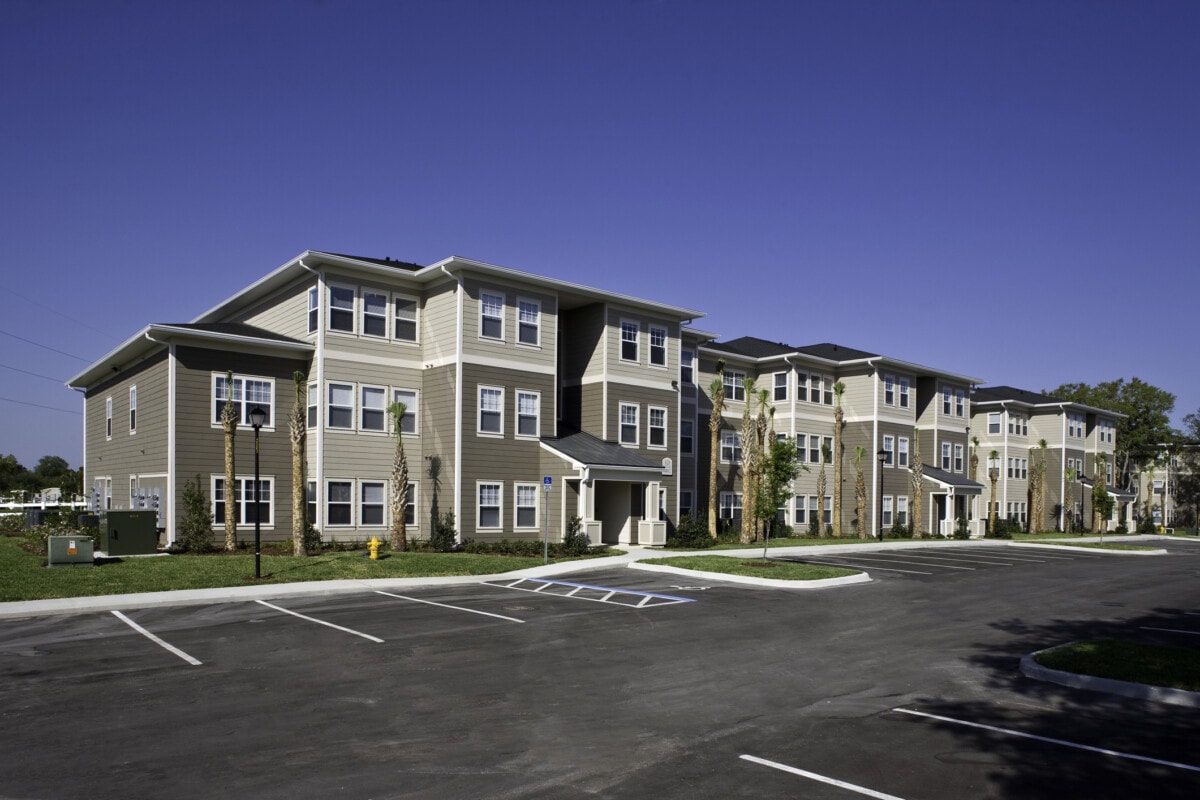
Pros and cons of buying a condo
There are many advantages and drawbacks to condo ownership, so it’s important to consider how each would affect your lifestyle and financial stability before deciding if condo living is right for you. Check out the following pros and cons of buying a condo:
Pros of owning a condo
- Regular exterior maintenance is taken care of by the HOA and there is no yard upkeep required.
- Condos are typically less expensive than buying a house and require a lower down payment.
- Condos are often in desirable locations, offering city amenities and for a much lower price than single-family homes in the same area.
- HOA dues are often less expensive and easier to manage than paying for maintenance and improvements on your own.
- Your condo comes with a built-in community.
- Smaller square footage means less time cleaning and lower costs for interior updates like flooring or paint.
- HOA rules and regulations reduce the chances of bothersome neighbor-habits, such as loud music.
- Condos often offer added security with locked entries, security guards, and nearby neighbors.
- Condos often come with fitness centers, pools, clubhouses, and other amenities.
- If you’re looking for a home in a densely populated area, there are often more condo options than house options.
Cons of owning a condo
- Under-managed HOAs may mismanage common area upkeep and maintenance, plus interior home maintenance can still be very expensive.
- Condo fees add to your monthly payment, which can make them more expensive than other options.
- Condos tend to appreciate at a slower rate than a single-family home.
- You don’t get to decide what external maintenance projects to take care of and when to pay for upgrades.
- Condos often take longer to sell.
- The average condo is smaller than the average single-family home.
- You may find that HOA rules and regulations are too restrictive.
- Mortgage rates for a condo tend to be higher than rates for a single-family home.
- Because condos are shared communities, you will have less privacy than you would if you owned a single-family home.
- You don’t own the land the condo is on.
Many of the drawbacks of condo ownership can be mitigated by doing your research before buying. Consider the following:
- Review HOA documents and your financial strength.
- Choose a condo in a desirable location, ideally one with amenities and low property taxes.
- Talk to your potential neighbors to see if they are a good community fit and to hear what they have to say about the HOA.
“One of the most common errors condo buyers make is prioritizing the unit’s interior aesthetics while neglecting the building’s overall structural integrity and lender compliance requirements. Under the recently updated Fannie Mae guidelines, unresolved deferred maintenance or insufficient reserve funds can quickly compromise loan approval or result in significant special assessments after closing. Buyers should work with an experienced real estate professional to review structural engineering reports and reserve studies well in advance of contingency deadlines.” – Stephanie Biello
How to buy a condo
Your first step to buying a condominium is to decide if a condo is the right fit for your lifestyle. Determine whether the advantages of condo ownership outweigh the disadvantages. And be sure that a condo can fit your lifestyle in the near future — it’s usually best to hold a property for five to seven years before reselling.
After deciding that a condo is the right fit, you should hire a real estate agent who has significant experience with how to buy a condo and condo sales in your desired location. Be sure to prioritize your housing needs and wants and share this with your agent. You also want to be preapproved for your mortgage, so you know your price range.
When you find a property you want to buy, follow these important steps:
- Understand the monthly association fees and what they cover.
- Review the HOA documents and assess for financial stability.
- Decide if the HOA rules and regulations fit your needs.
- Review the history of special assessments and HOA fee increases.
- Read reviews of the management company or whoever is managing the maintenance of communal areas.
- Speak to neighbors about the HOA and community life at the condo.
Questions to ask when buying a condo
Before purchasing your condo, you need to review the HOA documents, often called the HOA binder. The binder has all the rules, bylaws, and financial information you’ll need to determine if it’s a good fit for you. The binder should contain a lot of documentation, so it’s important to review it with a knowledgeable person— another reason why choosing a realtor with significant condo-buying experience is so important.
“We always tell buyers to read the documents like they’re buying a business, because in many ways, you are becoming a shareholder in how that community operates. Look for healthy reserve funds, a history of proactive building maintenance, reasonable HOA fees, and transparent financial reporting. Red flags in coastal South Carolina condo markets include repeated special assessments, underfunded reserves, deferred structural repairs, ongoing litigation, or meeting minutes that constantly discuss problems without clear solutions. Those issues rarely stay on paper — they eventually become every owner’s direct financial responsibility.” – Daniel Brown, Coastal Area Guide
As you review the binder, these are the questions you should ask yourself or your realtor:
- Do the rules, covenants, conditions, and restrictions (CC&Rs) fit your lifestyle?
- Are there limits on HOA dues increases? How often have dues gone up in the past, and by how much?
- How large is the reserve fund, and does it provide enough cushion for repairing or replacing communal property?
- What do you as a resident have the right to vote for or against? For example, special assessment projects.
- Do the HOA meeting minutes show a well-functioning organization or one with a lot of in-fighting?
One of the red flags when buying a condo you should take note of is if the HOA doesn’t have a binder or other documentation to share with you. While there are some situations where little documentation is normal, that’s not the case for most condominiums.

FAQs about condominiums
Buying a condominium vs. house: What’s the difference?
Buying a condo is quite similar to buying a home, as you’ll work with a realtor and loan officer to purchase one. However, you’ll need to do an advanced investigation into the HOA, which you likely wouldn’t need to do if you were buying a home.
Condos offer great advantages as an investment; however, they often appreciate at lower rates than single-family homes. This is of course dependent on the specific location and housing market.
To ensure you get the most out of your investment, you need to dig deep before you buy. With any home buying process, you should be doing a lot of research and be aware of any red flags when buying a condo. Since it’s difficult to do this research alone, working with a condo specialist is always a good idea.
What is the difference between a condo and an apartment?
Condos and apartments can look very similar. Both are typically single units within a large residential complex, but the major difference between a condo and an apartment is that an apartment is a rented or leased space while a condo is owned.
Apartment complexes are rental communities where a renter occupies each unit. Renters sign leases that lock them into the unit for a certain amount of time. Although apartment complexes don’t have HOAs or HOA fees, most complexes still have rules and regulations about what renters can and can’t do, like how many consecutive nights a guest can stay over, pet limitations, subletting restrictions, and more.
Condo owners typically occupy their condo, but some owners choose to rent out their unit depending on the association bylaws. So it’s possible for people to rent a condo, but even when that happens, the majority of a condo complex will be occupied by owners.
What is the difference between a condo and a house?
The major difference between a condo and a house is that a house is a stand-alone unit. When you buy a house, you buy the structure plus the land it sits on and any other auxiliary buildings. And, unless the home is part of a planned community, houses don’t have a homeowner’s association.
Houses come in many shapes and sizes, from small, single-story buildings to large multi-level buildings and their lot sizes can vary depending on where you’re looking to buy. Houses may also have additional features like a garage, driveway, or porch. Usually, the decision to buy a condo versus a house is based on your desire to live closer to the city center or have more space.
Another big difference between owning a house vs. owning a condominium is the maintenance requirements. With a condo, the HOA takes care of most of the maintenance; you just pay the fees and everything else is taken care of. But with a house, you must manage and pay for all the house maintenance on your own.
The return on investment also differs between traditional homes and condos. A house typically increases in value more than a condo will, and houses tend to sell more quickly than condo units. However, the maintenance costs of a house can impact the return on investment greatly. Often, the maintenance costs for a condo are much less than those for a typical house.
What is the difference between a condo and a townhouse?
Like condos, townhouse units typically have shared common areas like roofs and parking lots. Thus, townhouse complexes almost always have HOAs, but townhouse owners typically pay smaller fees. HOAs play less of an important role in townhouse complexes, and they also tend to place fewer restrictions on townhouse owners.
Most townhouses are multi-level homes arranged side-by-side. They tend to offer more square footage than a condo and larger private outdoor spaces. Where a condo occasionally comes with a balcony or patio, most townhomes have at least a small garden space.
However, townhouse complexes tend to have fewer amenities compared to a condominium. While this isn’t always the case, it’s often harder to find resort-style amenities when shopping for a townhouse.