You might be wondering, “How much does it cost to move a house, and is it even possible?” The short answer is yes—most houses can be moved, but whether it’s practical depends on your budget and a few factors. Things like the size, condition, and structure of the house matter, as well as how far you’re moving it and what local regulations are in place.
In this Redfin article, we’ll dive into how much it costs to move a house, the steps involved, and everything you need to know before deciding if it’s the right choice for you.
Reasons to move a house
Moving a house means physically relocating an entire home from one location to another. Sounds pretty overwhelming and expensive, right? Even if you have a smaller, well-built home (like a mobile home) that’s easier to move, you might be wondering what the real benefits are. It’s true that it may be more practical or affordable to build or buy a home in your preferred location. However, if you’re moving a short distance or cost isn’t a major concern, relocating your home might be the better option.
For example, you might consider moving a house if you want to preserve a historic home in San Francisco, CA, you’re currently located in a floodplain, developers want to repurpose your land, or you just want a change of scenery by moving from Seattle to Kirkland, WA. Plus, you’ll save on housing costs if you were planning to buy, and if building was your option, it’s an eco-friendly choice since it eliminates the need for new construction materials.
How do you move a house?
Moving a house is a complex and intricate process that involves several key steps:
- Initial assessment: A structural engineer evaluates the house’s suitability for relocation and necessary modifications.
- Preparing the house: Utilities are disconnected, additions removed, and the structure is reinforced for transport.
- Lifting and transporting: Hydraulic jacks raise the house onto steel beams, and a transport truck moves it to the new site. This step requires careful planning, including obtaining the necessary permits and determining the safest route for the move.
- Reinstallation and final touches: The home is lowered onto a new foundation, and connections to utilities and services are re-established.
The entire process requires the expertise of specialized house-moving companies, structural engineers, and close coordination with local authorities to ensure safety and compliance with regulations. Now that you’ve got a solid understanding of the house-moving process, let’s break down the costs involved.
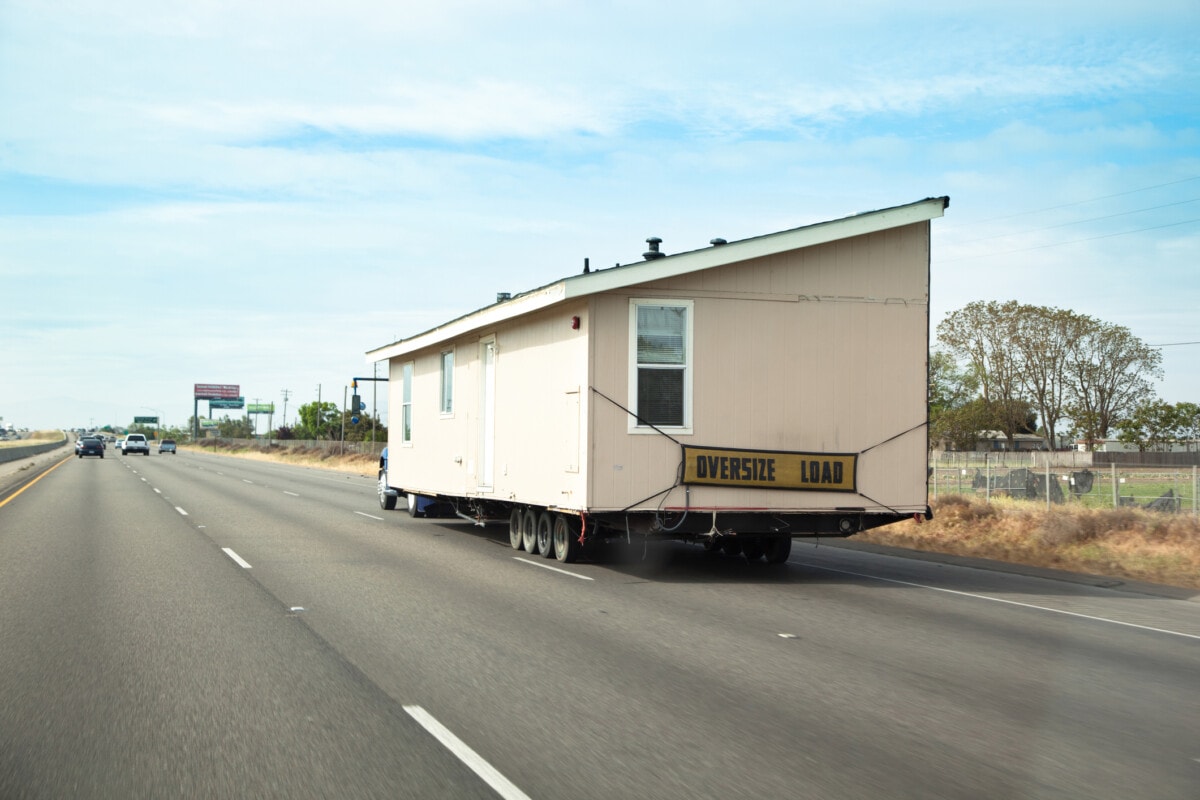
How much does it cost to move a house?
The cost of moving a house can vary significantly depending on several factors. The primary determinants include the size and weight of the house, the distance it needs to be moved, the complexity of the route, and any additional services required, such as disconnecting and reconnecting utilities or making structural modifications.
As a rough estimate, moving a house costs an average of $12-$16 per square foot. This translates to somewhere between $18,000 to $24,000 for a 1,500-square-foot-home, though costs can reach $200,000 for larger homes or long-distance moves. On the lower end, some moves cost as little as $15,000.
Keep in mind, this estimate excludes permit fees, land costs, foundation work, moving insurance, and other expenses. Obtaining quotes from reputable house-moving companies who can assess your situation and provide a more accurate estimate is essential.
Nine factors to consider when moving a house
Relocating your residence is a significant undertaking; here are nine crucial factors to think about before making the big move.
1. Budget and cost
Relocating a house involves costs like moving company fees, temporary accommodations, emergency repairs, and last-minute supplies. A comprehensive budget, including a contingency fund (10-20% of costs), ensures financial preparedness.
2. House size and condition
The size and condition of your house affect the complexity of the move. Larger homes require specialized equipment and manpower, while older or damaged houses may need reinforcements or repairs to ensure safe transport.
3. Distance and route
The distance of the move affects planning and costs. Longer trips require careful route planning, dealing with obstacles, road conditions, utility lines, and may involve additional costs like fuel, permits, and overnight stays.
4. Permits and regulations
Local building codes, zoning regulations, and permits are necessary for a legal and smooth house move. Non-compliance can result in delays, fines, or legal issues, so addressing these regulations is essential.
5. Insurance
Adequate insurance coverage protects against potential damages or losses during the move. Review your policies and consider additional coverage to mitigate risks and ensure financial security.
6. Foundation
A foundation inspection is crucial for ensuring that it can support the house’s weight and structure. If issues are found, plan for repairs or adjustments before the move to guarantee stability in the new location.
7. Weather
Adverse weather, like heavy rain, strong winds, or extreme temperatures, can affect the move’s safety and feasibility. Plan for favorable weather conditions to ensure a smooth relocation.
8. Professional expertise
Hiring experienced house-moving professionals ensures the move is safe and efficient. Their expertise in structural integrity, logistics, and safety minimizes risks and supports a successful relocation.
9. Contingency plans
Unexpected issues such as equipment malfunctions, weather disruptions, or route obstacles can arise. Having backup plans in place ensures effective responses, minimizing delays and ensuring safety.
Moving a house is not an easy task, but by keeping these factors in mind, you can make the process much smoother.

How to budget for your move
Budgeting is a comprehensive process that requires thorough planning. Begin by creating a detailed list of all potential expenses, such as hiring professional movers, packing materials, transportation, insurance, utility disconnection, reconnection fees, and any temporary housing or storage costs. Prioritize these expenses based on their importance and urgency. Next, establish a budget by determining how much you can allocate to each category within your total moving budget. Remember to account for unforeseen expenses by setting aside a contingency fund. Throughout the process, use spreadsheets for budgeting tools to track your spending and compare it to your budget regularly to ensure you’re staying on track.
Even with the right budget and a clear understanding of the factors involved, moving a house still comes with notable risks. From structural damage to unexpected costs, understanding these potential challenges can help you make an informed decision before committing to the move.
What are the risks of moving a house?
Moving a house entails various risks and challenges. Structural damage to the house is a significant concern, as lifting and transporting can lead to cracks, shifts, or other forms of structural compromise if not executed meticulously. During the lifting and relocation process, there’s also the potential for damage to utility lines, including gas, water, and electricity, posing safety risks and potential disruptions. Logistically, the process requires permits, coordination with local authorities, and sometimes the temporary removal of obstacles like trees or utility poles, which can impact the surrounding community.
A final note on moving a house
Relocating an entire house is no small feat. It requires meticulous planning, a deep understanding of the structure’s needs, and a dedication to ensuring its safe transition. Whether you’re motivated by preservation, practicality, or sheer love for the structure, the endeavor is a testament to the lengths we’ll go to make a space our own. Always prioritize safety, and remember that with the right preparation and expertise, even houses can find a new place to call home.