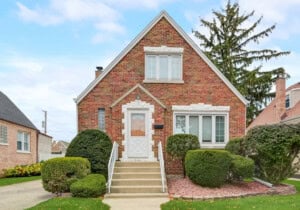
Your home is so much more than some walls and a roof. It’s where you put in sweat equity, hosted friends for dinner, and built a life. But it’s also one of your biggest financial assets — which means that when it’s time to sell or refinance, you’ll need a certified appraiser to value the property.
Determining a home’s market value, known as a home appraisal, usually involves a detailed in-person inspection and a look at comparable homes in the area. But there’s another option you might come across: the drive-by appraisal. Introduced during the COVID-19 pandemic, this method remains popular because it’s faster, more convenient, and generally less expensive than a traditional appraisal.
Let’s break down what a drive-by appraisal is, how it works, when it makes sense, and the pros and cons — whether you’re a homeowner in Billings, MT, buying a condo in San Francisco, CA, or selling a home in Atlanta, GA.
Drive-by appraisal vs. a full appraisal
A drive-by appraisal (sometimes called an exterior-only appraisal) simplifies the home appraisal process by skipping the in-person walkthrough. Instead, the appraiser looks at just the outside of the home and relies on other sources to determine the market value of the home.
That’s why drive-by appraisals are also referred to as “summary appraisals” because they lean heavily on existing data to value a home, like public property records, multiple listing service (MLS) sales data, and past listing photos. They’re usually used in lower-risk lending situations.
A traditional appraisal (or full appraisal) is more thorough and hands-on: a licensed real estate appraiser inspects both the inside and outside of the home for an in-depth, room-by-room analysis of the property. A full appraisal is used by lenders for new mortgages or other, more high-risk lending scenarios.
How a drive-by appraisal works
While traditional appraisals have an appraiser walk through the home, a drive-by appraisal focuses on what can be seen from the outside and found through additional research. Here’s how it works:
1. The lender orders the appraisal
A lender requests the appraisal as part of the loan process: often for refinances, home equity loans, or other lower-risk lending situations. Lenders need to know the property’s value supports the loan amount.
2. The appraiser researches public records and market data
Before even visiting the property, the appraiser looks at current listings, tax records, public data, and any details provided by the homeowner. They also research recent comparable home sales, or “comps,” in the area to better understand the market value of homes in that neighborhood.
3. The appraiser drives by the property
When it comes time for the drive-by, appraisers are inspecting the external condition, size, and exterior features of a home. They’ll take detailed notes and plenty of photos to support their findings. The appraiser is also looking at neighborhood trends: whether home values are rising or falling, how well properties are maintained, and the overall curb appeal.
4. The appraiser completes their report
After combining what they observed on-site with the public record data and comps, the appraiser prepares a report estimating the home’s value. The report is then sent directly to the lender with the newly appraised value.
When drive-by appraisals make sense
Lenders rely on appraisals for an accurate market value of a home to make sure they’re not lending more than the home is worth. Because of that, most lenders won’t allow drive-by appraisals for brand-new mortgage loans. But there are situations where lenders will use a drive-by appraisal:
- Foreclosure: If a home is headed toward foreclosure, a lender might order a drive-by appraisal to gauge the home’s condition and decide whether selling the property will cover the outstanding loan.
- Home equity loan/ HELOC and refinancing: More equity means less risk for lenders, so a drive-by appraisal might be acceptable for a home equity loan or home equity line of credit (HELOC). Depending on the loan type and the amount of equity in a home, a drive-by appraisal can also be used for homeowners needing an appraisal for refinancing an existing mortgage.
Pros of drive-by appraisals
- They’re more convenient: Homeowners don’t need to schedule time off work or rush to tidy up. The appraiser never sets foot inside the house, so home staging, cleaning, and unfinished home improvement projects are nothing to worry about.
- They’re quicker: Without an interior inspection, the drive-by appraisal process moves faster, and no homeowner appointment coordination is required.
- They cost less: Fewer steps and requirements mean a smaller bill: drive-by appraisals usually cost $100 to $350 instead of $300 to $2,000 for a full appraisal.
Cons of drive-by appraisals
- They’re less accurate: Without seeing the inside of a home during a drive-by appraisal, the appraiser can’t take into account upgrades, interior features, or other property information that would be included in a full appraisal and could boost home value.
- Property info might be outdated: In a drive-by appraisal, the licensed appraiser uses public records, MLS data, and other research rather than an in-depth inspection. If the information available is old or inaccurate, it could negatively impact the appraised property value.
- Interior issues could be missed: Structural problems, water, mold or termite damage, or other interior issues not seen during a drive-by appraisal could result in an inaccurate valuation of the property.
What are the alternatives to a drive-by appraisal?
Drive-by appraisals are a newer and convenient option, but they are not the only way to estimate a home’s value. Depending on your loan and lender, there are other appraisal methods, some more detailed than others. While most lenders rely on on-site inspections, here are the main alternatives you might come across.
Full appraisal (traditional appraisal)
A traditional appraisal is the most detailed and thorough home valuation process. During a full appraisal, the appraiser goes through both the interior and exterior of the home, takes notes on the condition of every room, measures square footage, and takes upgrades or needed repairs into consideration. A full appraisal is usually required for home purchases, higher-risk loans, or more unique properties where the exterior of the property won’t provide the needed information.
Hybrid appraisal
Like the other appraisal methods, a hybrid appraisal uses a licensed appraiser to conduct thorough research of the neighborhood, comps, and other market data. A third-party inspector (not the original appraiser) will then take interior and exterior photos, measurements, or videos of the home and report back. The appraiser uses the information from the third-party inspector and market data research for their final appraisal report that they send to the lender.
Desktop appraisal
Also called a “desktop valuation,” a desktop appraisal doesn’t involve a site visit at all. Instead, the appraiser relies entirely on public records, MLS data, and comps to calculate a home’s market value. This type of appraisal is faster and less expensive but only works when there’s reliable, up-to-date data available, and some lenders might not offer this option.
Automated valuation model (AVM)
If you’ve ever put your address into Redfin to see what your home is worth, you’ve seen an AVM at work. AVM technology uses databases of existing property information to estimate the value of a home. While AVMs can give a rough idea of a home’s market value, in-person appraisal processes are still the standard when it comes to property valuation for lending purposes.
Drive-by appraisals: The bottom line
Drive-by appraisals aren’t as detailed or accurate as a full appraisal, but they’re still performed by licensed professionals who pull together as much reliable data as possible to estimate your home’s value. They can be a time-saving, cost-effective option in the right circumstances — but if you’ve made major interior upgrades or need every detail considered, a full appraisal may still be worth the extra investment.
FAQs about drive-by appraisals
How long does a drive-by appraisal take?
Drive-by appraisals are faster to both schedule and complete because there is no interior inspection. The on-site visit can take as little as 15–30 minutes, and the full report is usually ready within a few days. On the other hand, traditional appraisals can take a week or more, especially in busy markets.
How much does a drive-by appraisal cost vs a traditional home appraisal?
A drive-by appraisal usually costs anywhere between $100 to $350, but it depends on the market and property size. They do cost less than a traditional full appraisal, which on average costs $300 to $600 or more. The lower cost of a drive-by appraisal comes from the fact that the appraiser doesn’t enter the home and spends less time on-site.
Do FHA loans allow drive-by appraisals?
For most new FHA purchase loans, a full appraisal is required. This includes looking at the interior of the home in detail since FHA loans usually need the property to meet strict safety and livability standards.
Can a drive-by appraisal be used for refinancing?
Yes, but it depends on the loan program and the mortgage lender. It’s becoming more common for lenders to allow drive-by appraisals for a refinance or cash-out refinances if there is a lot of equity in the home, the borrower has strong credit, and plenty of recent comps are available. But if the refinance involves an FHA, VA, or other government-backed loan, a full appraisal may be required.