Your crawl space might be out of sight, but it definitely shouldn’t be out of mind. And while it’s not the most glamorous task, regular crawl space care is essential to protecting your home from some of the most common issues that can stem from this hidden area.
The crawl space actually plays a big role in the health, safety, and structure of your home—so it’s more important than you might think. Whether you’re looking for crawl space maintenance tips for your Seattle, WA home, your rental house in Miami, FL, or anywhere in between, this Redfin article contains expert tips to help ensure your crawl space, and home, is well cared for.
In this article:
- What is a crawl space?
- Why is crawl space care important?
- Common crawl space problems and how to fix them
- When does a crawl space need attention?
- Why crawl space inspections are crucial
- FAQs
What is a crawl space?
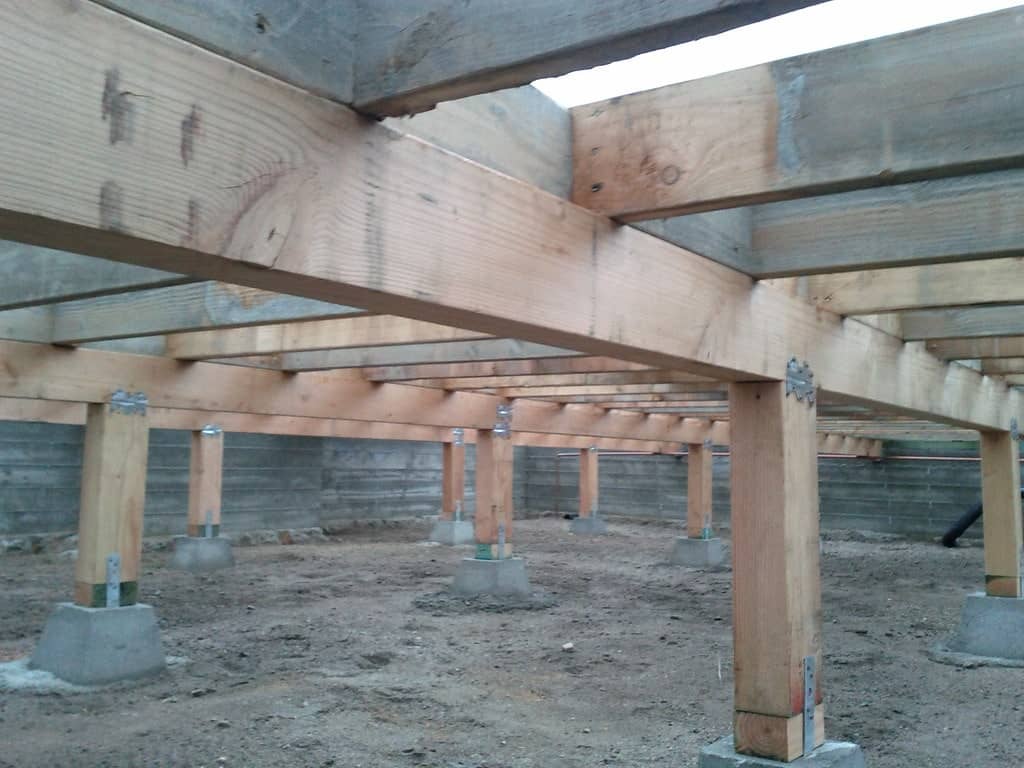
A crawl space is a small area, ranging from one to three feet in height, located between the bottom floor of your home and the ground. It’s usually just tall enough for someone to crawl through—hence the name. A crawl space is typically used as an alternative to a basement when construction is too expensive, or in damp climates where the ground is regularly too wet to build one. It provides space for your home’s electrical wiring, plumbing components, HVAC equipment, and more. Your crawl space also plays crucial roles in the health and safety of your home. If you’re a prospective homebuyer, exploring the crawl space is a necessary addition to your home inspection checklist.
Why is crawl space care important?
Even though you don’t always see it, your crawl space is an active contributor to several important aspects throughout your home. “Crawl space maintenance is essential to the health of the whole home,” shares the energy efficiency professionals from LiveGreen. “Ensuring your crawl space is properly set up for moisture control and well-insulated can increase the longevity of the building envelope, as well as create better indoor air quality and a more energy efficient home.”
However, with its many contributions come potential issues to watch out for, including:
- Pest infestations
- Moisture buildup and flooding
- Poor indoor air quality
- Energy loss
Common crawl space problems and how to fix them
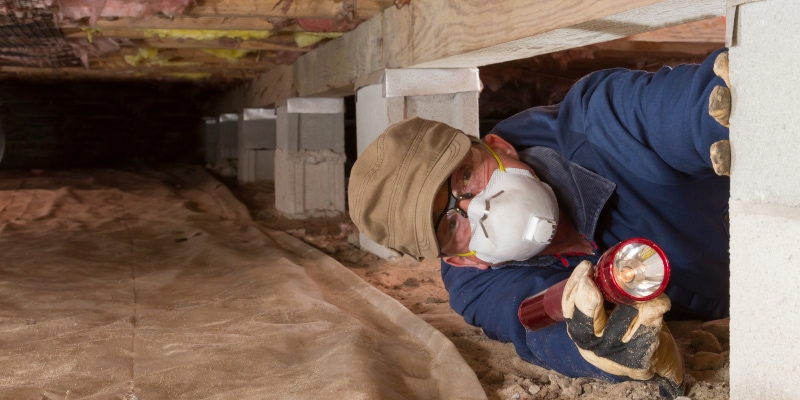
Ignoring crawl space maintenance can lead to a range of issues throughout your home. “Failure to maintain this space can lead to severe concerns, like structural damage, which is why regular crawl space care is crucial for avoiding costly repairs,” according to the crawl space and mold specialists at Crawlspace Solutions in New Jersey. “The most effective way to prevent common crawl space issues is to have it inspected regularly by a qualified expert. Routine inspections can catch problems like mold, moisture, and structural damage early, saving you time, money, and stress in the long run.”
Moisture in your crawl space
While signs of excess moisture in your main living areas are often easy to spot, moisture in your crawl space can be much harder to detect, although just as damaging. Moisture buildup in a crawl space can lead to issues like mold, mildew, dust mites, and wood rot. When that moisture has nowhere to escape, it can travel into your home’s insulation, flooring, and walls, creating more extensive damage. Homes with poor ventilation and crawl spaces with exposed dirt are especially prone to moisture buildup. Without regular inspections and maintenance, you might not notice an issue until it’s too late.
So, how can you prevent crawl space moisture issues?
Vapor barriers
A vapor barrier is one way to protect your home against the encroachment of moisture. Essentially, it’s a large plastic sheet placed over the exposed dirt of a crawl space to block moisture from seeping up. While this doesn’t completely eliminate moisture, it does slow the process significantly. At 15 to 50 cents per square foot, sheet plastic is a cost-effective barrier for moisture in your crawl space.
Installing a vapor barrier can be a DIY project if you’re willing to get down and dirty, but the labor of covering the entire ground area can be challenging and even hazardous. “Crawl spaces can present many dangerous encounters to anybody who wishes to enter one, including mold growth, pests, asbestos, exposed wiring, and many others,” warns Sean, owner of Hetrick Home Inspection.
“That makes wearing the proper personal protective equipment extremely important,” states Sean. Tyvek suits, respirators, eye protection, and gloves, among other things, will help keep you safe if you decide to take on the project. However, hiring a professional contractor will help ensure the vapor barrier is properly installed, reducing the various risks of DIY installation and guaranteeing a job well done.
Encapsulation
If a vapor barrier alone isn’t enough to tame moisture and ventilation problems, encapsulation can be a great alternative. While a vapor barrier will help reduce moisture on the surface of a crawl space, encapsulation takes moisture prevention to the next level. Drain tiles, a sump pit and pump, concrete, insulation, and a dehumidifier all come together to properly condition the air and prevent moisture buildup altogether.
The installation process takes expertise, and installing a dehumidifier is best left to a trained technician. Hiring a contractor for this work costs about $5,500 on average.

Energy loss from your home
Crawl spaces can be a major source of energy loss. If you find yourself running your furnace all winter long only to see high energy bills and still feel cold on your home’s ground floor, your crawl space might be to blame. While a crawl space isn’t a livable part of the home, having insulation there is still important for retaining heat. If your crawl space isn’t properly insulated, you could be wasting energy and driving up your utility bills.
Insulating your crawl space
Insulating your crawl space can help you save money on heating bills, and live more sustainably. In warm or dry areas, insulation can be limited to just the area between the floor joists. However, in subfreezing temperatures, insulating the walls and sealing off the crawl space is most effective. “Insulation can serve several important purposes,” shares Buckeye Basement Solutions in Columbus, OH. They note that properly insulated crawl spaces:
- Keep indoor temperatures stable throughout the year.
- Reduce moisture that can lead to mold and wood rot.
- Help protect the foundation from damage caused by humidity and temperature swings.
- Lower heating and cooling costs.
- Prevent pests from easily accessing your home.
A professional can evaluate the state of your crawl space, make a recommendation, and handle the insulation process to keep you protected from ongoing maintenance issues and unexpected expenses.
Expert tip on insulation
“Gaps, leaks, and poor insulation allow cold air to creep in, making your floors uncomfortably cold in winter and forcing your HVAC system to work harder. Proper insulation, air sealing, and humidity control help prevent a myriad of issues and keep your home more comfortable year-round.” – Matthew DiFrancesco, Ardor Construction
When pests get into your crawl space
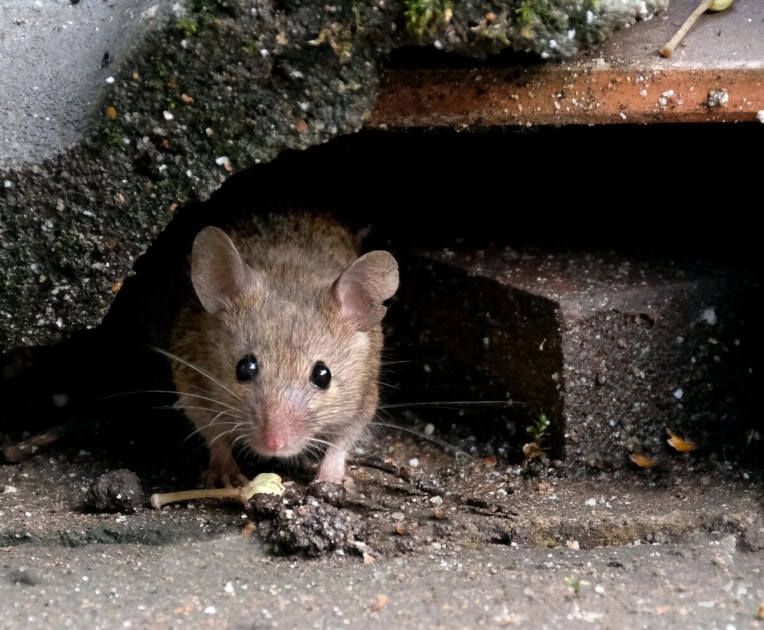
Pests can be a problem anywhere in your home, and a crawl space is no exception. Neglecting regular crawl space care will exacerbate common issues, as well as create a breeding ground for pests.
Since most homeowners don’t spend much time in their crawl space, detecting a pest problem can be difficult. Pests such as mice, rats, termites, carpenter ants, spiders and more have the ability to damage insulation, crawl through vapor barriers, dig into wood, and even tunnel into your main living spaces.
Pest control
Crawl space maintenance is incomplete without a pest prevention plan in place. “One of the most important things a homeowner can do is prevent pests from entering the crawl space by sealing up entry points,” shares Eden Advanced Pest Technologies, a pest control company in Spokane, WA. “Rats can get into your home with as little as a half-inch gap, and mice only need a quarter-inch. Once they gain access, it’s only a matter of time before they contaminate the insulation and vapor barrier with urine and feces. A good pest control program will pay dividends in the end.”
When all entrances and exits are sealed, the possibility of rodents and insects gaining entry to your home is significantly lower. If you see signs of pests, partnering with an exterminator can treat problems at the source.
Poor indoor air quality
“Fun fact: some suggest that up to 70% of the air inside your home comes from the crawl space,” says Stephen, founder of Healthy Air USA. “A process called stacking involves air exchanges between unconditioned spaces and conditioned spaces. This occurs in every home when temperatures outside are different from inside. The result is humidity and contaminated air laden with mold spores and other particulate matter from mixing with indoor air.” Luckily, many of the above solutions for other common crawl space issues can help improve air quality. Here’s what Stephen recommends when it comes to crawl space maintenance:
- Resolve any issues of water intrusion
- Encapsulate your crawl space
- Seal foundation vents
- Control humidity with a dehumidifier
How to tell when a crawl space needs attention
“Homeowners should be reminded that a crawl space is a part of their home,” shares Nick, owner of Porch Light Home Inspections. “Many homeowners treat the crawl space with the ‘out of sight, out of mind’ logic, but it should be treated no differently than a basement. If you find it to be damp, wet, or have a distinct smell, it needs your attention.”
You don’t have to enter your crawl space to identify potential issues. “If you notice musty odors, uneven floors, high humidity, standing water, or an increase in pests inside the home, your crawl space could be the source of the problems,” says Meaghan of Scout’s Pest Control.
“Don’t ignore what you think is a minor problem,” urges Dylan, co-owner of Better Basements and Waterproofing. “A minor problem can turn into a lot of big problems, and goes from affordable to an expensive fix quickly.”

Why crawl space inspections are crucial for buyers and sellers
As previously mentioned, crawl space inspections are recommended for homeowners, but they’re just as important for buyers and sellers. A crawl space inspection is typically included in a standard home inspection when buying or selling a house. Issues that arise here can throw a wrench in the home sale, so it’s important to maintain proper crawl space care to prevent those issues from interrupting your plans.
As a seller, you may want to have your crawl space inspected prior to listing it on the housing market. That way, you are aware of any existing issues to fix before the sale, or adjust the sale price accordingly. As a buyer, you’ll want to be aware of the state of the crawl space and take that into consideration as you make your decision.
“When I’m inspecting a crawl space, I am always sure to locate the water main,” adds Lisa, licensed inspector of Taurus Home Inspections in Washington. “Noting the material and condition of the pipes is important when making an informed decision about purchasing your home. Some older homes have older pipes made from galvanized steel, which corrodes from the inside. This can end up causing leaks in your crawl space when they’re ready to be replaced, which can sometimes cost upwards of $10,000.”
Final thoughts: Crawl space care matters
Crawl space maintenance is critical to the health and longevity of your home. Regular inspections, preventative measures like encapsulation, and attending to problems as they arise keep your whole house healthy. Partnering with the pros can ensure your crawl space care is up to date and in good hands. No matter where you live, you can be sure the foundational part of your home is properly maintained for years to come.
Crawl space FAQs
Where is it most important to keep up with crawl space maintenance?
While it’s important to maintain your crawl space regardless of where your home is, areas with high humidity, closer to water sources, or prone to wetter weather are highly susceptible to common crawl space issues. If you live in one of the rainiest cities in the US, staying on top of crawl space care is even more crucial.
How often should I get my crawl space inspected?
While the exact answer may vary depending on who you ask, the trick to maintaining proper crawl space care is regular inspection. A simple bi-annual check of your crawl space, or hiring someone to do the dirty work for you on a regular basis, will make sure you and your home are protected from serious long term damage.
Why is crawl space encapsulation so highly recommended?
“Not having an encapsulated crawl space is equivalent to throwing a tarp on a roof instead of a liner and shingles,” explains Ben from Radon Gone, professional radon mitigation company in York, SC. “Properly encapsulating your crawl space will ensure that you avoid issues and health hazards like warped wood, radon gas, and pests.”
Where can I learn more about crawl spaces?
Check out our comprehensive guide to crawl spaces to find more answers to common crawl space questions.