Finding a home that balances your wish list with your budget isn’t always easy. Along the way, you might come across a model home – a fully finished house built by a developer to showcase what homes in the neighborhood will look like. Builders use these homes as sales tools, often filling them with upgrades and staged furniture to help buyers picture themselves living there. Whether you’re looking to buy your first house in Phoenix or move to a new community in a house in Orlando, keep reading to learn about the unique pros and cons that come with buying a model home.

What is a model home?
A model home is a show property, similar to a showroom. It displays a builder’s work to prospective buyers desiring to live in a particular subdivision or development. This type of house can come in a number of popular styles and is specifically designed to appeal to a buyer’s interests.
Model homes often contain many popular wish list items, like larger and more open floor plans, granite countertops, high-quality appliances, and luxurious flooring.
The primary purpose of a model home is to sell similar properties in a builder’s development, but sometimes they’re also made available for buyers to purchase once the builder no longer needs them for tours.
Key features of a model home
- Premium upgrades: Includes high-end appliances, flooring, countertops, and fixtures.
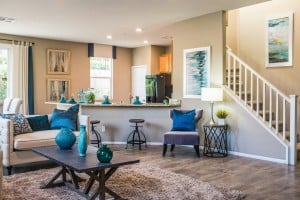
- Professional staging: Furnished with designer furniture, décor, and accessories.
- Prime location: Often placed near the entrance or in a visible spot within the development.
What makes model homes different
- Usually located in a visible or central spot in the subdivision.
- Packed with popular features that may not be standard in other homes.
- Available for purchase after the builder has finished using them for tours.
Why builders create model homes
- Sales tool: Builders use model homes to demonstrate floor plans, finishes, and overall construction quality.
- Showcase upgrades: They often include premium features such as granite countertops, hardwood floors, or high-end appliances.
- Furnished and staged: Decor, furniture, and accessories create a move-in-ready look that helps buyers picture themselves in the space.
- Prime location: Model homes are usually placed in visible or central spots within the subdivision.
Can you buy a model home?
Yes, you can buy a model home, but usually only after most of the community has sold since builders keep them as showcase properties. When they do go on the market, they can be appealing options with upgraded features, high-end finishes, and professional staging—sometimes even including furniture and décor, depending on negotiations.
Considerations for buyers:
- Wear and tear: Even though they haven’t been lived in, frequent tours may cause scuffs or minor damage.
- What’s included: Buyers may be able to negotiate for furniture, décor, or upgrades to be part of the sale.
- Warranty timing: The builder’s warranty often starts when the home is completed, not when you move in, so ask about an extension.
- Inspection: A professional home inspection is still important to identify any issues, even in a brand-new property.
Tips for buyers considering a model home
- Ask what’s included: Confirm whether furniture, décor, appliances, and fixtures are part of the sale.
- Get a home inspection: Even though the home is new, wear from tours or rushed construction can reveal issues.
- Compare pricing: Look at similar homes in the community to make sure you’re getting a fair deal.
- Review warranties: Check when the builder’s warranty started and ask if it can be extended to cover your ownership period.
How does buying a model home differ from buying traditional housing?
Buying a model home is similar to a traditional purchase, but there are some differences to note:
- Pricing: Model homes are often cheaper than new construction since they may be a few years old and show minor wear from tours.
- Furniture included: Builders may sell the home with furniture and décor, saving buyers on moving or furnishing costs.
- Financing: Some builders partner with or own lending companies. While convenient, always compare loan terms with outside lenders to avoid higher costs.
How buying a model home works
1. Check pricing and compare sales
Builders usually wait to sell model homes until most of the community is complete, and they’re often priced lower than brand-new builds. Still, compare the asking price with similar homes in the neighborhood to make sure you’re getting a fair deal. Since many model homes aren’t listed on the MLS, ask your real estate agent to pull a comparative market analysis (CMA).
2. Inspect the property carefully
Even though model homes are newer, they may show wear from tours or have systems (like HVAC or plumbing) that are a few years old. Always order a professional home inspection to check for construction shortcuts, damage, or pest issues. Use any findings in your negotiations or walk away if needed.
3. Ask what’s included in the sale
Buyers often have the chance to negotiate extras such as furniture, décor, appliances, or fixtures. Also, check whether the property was ever used as a sales office or showroom and confirm that any modifications will be restored to residential use before closing.
4. Review financing and warranties
Some builders partner with lenders or have in-house financing, but it’s smart to compare terms with outside lenders to ensure you get the best deal. Since the builder’s warranty may have started when construction finished – not when you move in – ask if it can be extended or adjusted to cover you fully.
Should you buy a model home? The pros and cons
Buying a model home comes with trade-offs. Here are the main pros and cons to consider:
Pros
- Move-in ready: No waiting for construction to finish.
- High-end finishes included: Upgrades like appliances, flooring, and fixtures are already built in.
- Furniture optional: Some sales include furniture and décor.
- Discounted pricing: Often more affordable than new builds, with room to negotiate.
Cons
- Wear and tear: Heavy foot traffic from tours can cause minor damage.
- Limited customization: Less flexibility to choose finishes or layouts.
- Location trade-offs: Often placed near the entrance or high-traffic areas.
- Not everything included: Furniture or fixtures may be excluded from the sale.
FAQs about buying a model home
Still serious about buying a model home? Make sure you’ve asked all the important questions. Here are some frequently asked questions about buying model homes.
1. What’s another name for a model house?
They’re also called show homes or display homes. You might also hear “spec home” or “demonstration home,” though those terms can sometimes refer to slightly different situations.
2. How much does it cost to buy a model home?
Costs vary widely depending on location, size, and features, but they’re often negotiable because of prior use as a showcase property. Builders may be willing to discount them to close out a community.
3. Are model homes cheaper than new construction homes?
Yes, model homes are usually priced lower than brand-new builds of the same floor plan because they may be a few years old, have been toured frequently, and could show light wear. The built-in upgrades, however, can add value.
4. When do model homes go on sale?
Most builders list their model homes toward the end of a community’s development, once most of the other homes have sold. This timing ensures the builder can keep using them for marketing until sales are nearly complete.